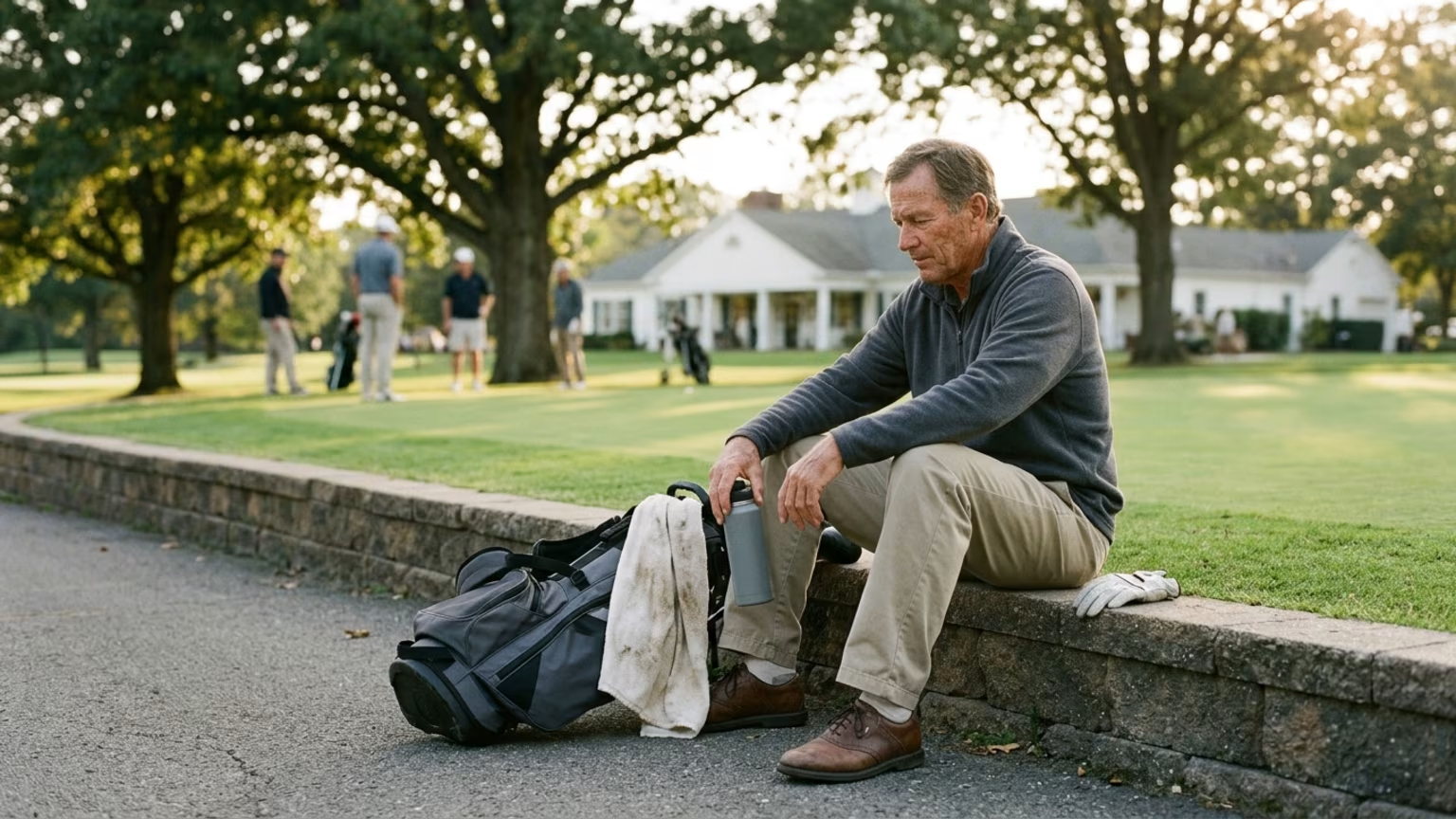

Learn a 10-minute post-round breathing and downshift routine that helps older golfers transition from high arousal to calm, reducing next-day fatigue.




The trunk slams shut, the golf shoes go into the garage, and the drive home begins. The body is still humming with the low-grade stress of a four-hour round. Many older players head straight to the couch. They sit down and wonder why their lower back throbs by dinnertime.
The post-round downshift protocol offers a reliable way to signal to your nervous system that the work is done. On August 23, 2026, AOL published an interview-based recovery guide republished from Men’s Fitness. The article features Dr. Andy Galpin, a professor and human-performance scientist who works with elite athletes across multiple sports. His protocol targets the brief window immediately after exercise when the body is transitioning from high arousal toward rest. The routine uses four simple steps to speed up relaxation:
Before starting the steps, you need to assess how stimulated your nervous system remains after leaving the course. Finding your baseline helps you understand exactly how much tension you brought home. Sit quietly in a supportive chair, close your eyes, and place one hand flat against your chest. Take a normal breath without forcing the air in or out.
Pay close attention to where the movement happens. If your chest rises sharply and your breathing feels shallow, your body is likely still stuck in a high-arousal state. You might also notice a lingering tightness across your neck, shoulders, and upper back. This physical rigidity is a natural reaction to the concentration and rotational forces required during a long round of golf.
This quick check confirms that your system is still reacting to the physical demands of the day. Recognizing this tension proves that you need a deliberate cooldown before resuming normal household tasks. Implementing a plan for post-round physiological recovery helps lower this resting heart rate effectively. When you know your baseline, you can measure how well the breathing routine actually works for your body.
The AOL guide specifically contrasts its approach with expensive recovery practices like saunas, red-light therapy, and cold plunges. This accessible routine requires virtually no special equipment and costs nothing to execute. You only need a quiet room where you can lie down safely without interruptions from pets or family members.
A simple sleep mask or a softly rolled towel works perfectly to cover your eyes and block out ambient light. Complete darkness removes visual stimulation, which helps signal to the brain that it is time to power down. You will also need a smartphone or a smart speaker to play slower-paced music during the session.
The music helps drown out unpredictable background noise and encourages your mind to settle into a predictable rhythm. The final tool is a basic timer to track your resting minutes so you can completely disengage from watching the clock. Having these few items ready before you leave for the golf course makes it much easier to commit to the routine when you return home feeling tired.
Dr. Andy Galpin designed this routine to create a low-stimulation period immediately after exercise. Find your designated dark room, lie flat on your back, and cover your eyes. Start by playing your slower-paced music at a low volume. This controlled environment instantly reduces sensory input and sets the stage for physical relaxation.
Next, begin your downregulation breathing pattern. The guide suggests box breathing for this phase, a technique that balances oxygen intake with deliberate pauses. Start by inhaling slowly through your nose for four seconds. Focus entirely on filling your lower lungs rather than shrugging your shoulders toward your ears.
Once your lungs are full, hold that breath comfortably for four seconds. Exhale slowly and smoothly for four seconds, letting your ribcage drop naturally. Finally, hold your breath again for four seconds before starting the next inhale cycle. This deliberate pacing helps shift the body into a relaxed state by directly influencing the autonomic nervous system.
Maintain this steady cycle while letting your muscles sink heavily into the floor. The AOL guide cites three minutes as the minimum effective dose for this routine, making it easy to fit into a busy afternoon. It recommends approximately 10 minutes as the optimal dose for full recovery. If you finish a late round and cannot find a place to lie down, the article notes you can perform this breathing component standing in the shower.
Many players turn simple breathing routines into a stressful competition against the clock. They force the four-second breath holds until they feel dizzy, tense, or anxious in the chest. Breath holding can feel unpleasant for some individuals, especially after a physically exhausting round in hot weather. Fighting through physical distress completely defeats the purpose of a relaxation exercise.
The AOL article explicitly permits modifications to keep the routine comfortable for every user. If the standard timing feels strained, shorten the counts to two or three seconds. You can also omit the final breath hold entirely if it causes anxiety. Anyone who feels faint, dizzy, or severely short of breath should stop immediately and return to a normal breathing rhythm.
Another common error is treating this quiet rest as a replacement for physical nourishment and hydration. The guide presents the protocol as a complement to nutrition, not a substitute for proper food, water, or sleep. Older golfers must still manage their caloric intake to manage swings, rounds, and recovery without losing momentum.
Finally, players should never use breathing exercises to mask dangerous physical warning signs. Persistent chest pain, unusual breathlessness, or severe joint weakness require immediate medical attention. This downshift routine is a relaxation technique designed to calm the mind, not a medical treatment for structural injury or cardiovascular distress.
Golf carries a surprisingly heavy physical burden that accumulates slowly over four hours. A report cited by MK describes a typical walking 18-hole round as approximately 6.4 to 8 kilometers and 11,000 to 17,000 steps. That persistent workload often causes a spike in heart rate and muscle tension, especially when carrying a heavy bag up a steep fairway or recovering from an errant tee shot.
You can apply a modified version of this breathing technique while walking to your next shot or waiting by the golf cart. Drop the breath holds entirely, as walking requires constant and steady oxygen delivery to the leg muscles. Focus simply on taking slow, even breaths that match the exact pace of your footsteps.
Try inhaling steadily for three steps and then exhaling completely for three steps. This small adjustment helps lower your heart rate before you address the golf ball for a delicate approach shot. Finding moments to regulate your breathing during the round makes managing training load and soreness much easier when you finally reach the clubhouse.
A separate physiotherapy evidence record reports that a daily combination of deep breathing, body-scan meditation, and music improved sleep quality among older adults. While a rest period does not magically repair muscle tissue, it provides a crucial bridge between physical exertion and evening relaxation. The 10-minute investment today creates a calmer nervous system that saves you from lingering aches tomorrow. Slower breathing and a quiet room remain the most accessible tools in your recovery bag for long-term health.
Follow Golfergy for practical insights on performance, mobility, recovery and healthy ageing. Stay connected for new articles, research-led guidance and ideas to help you play better for longer.


Rest or move the day after 18 holes? Use fatigue, soreness, symptoms and your playing schedule to guide a flexible recovery day.


Compare foam rolling, massage, compression, heat and cold for golfers, with comfort benefits kept separate from performance and injury claims.
A measured guide to stiffness during and after golf, with gentle movement options, sustainable habits and NHS-backed back-pain warning signs.
Explore practical resources on performance, recovery, mobility and golf longevity.
Read the Blog


