
World No. 1 Scottie Scheffler battled hand, foot and mouth disease at the 2026 BMW Championship. Learn how older golfers can manage viral illness and recovery safely.




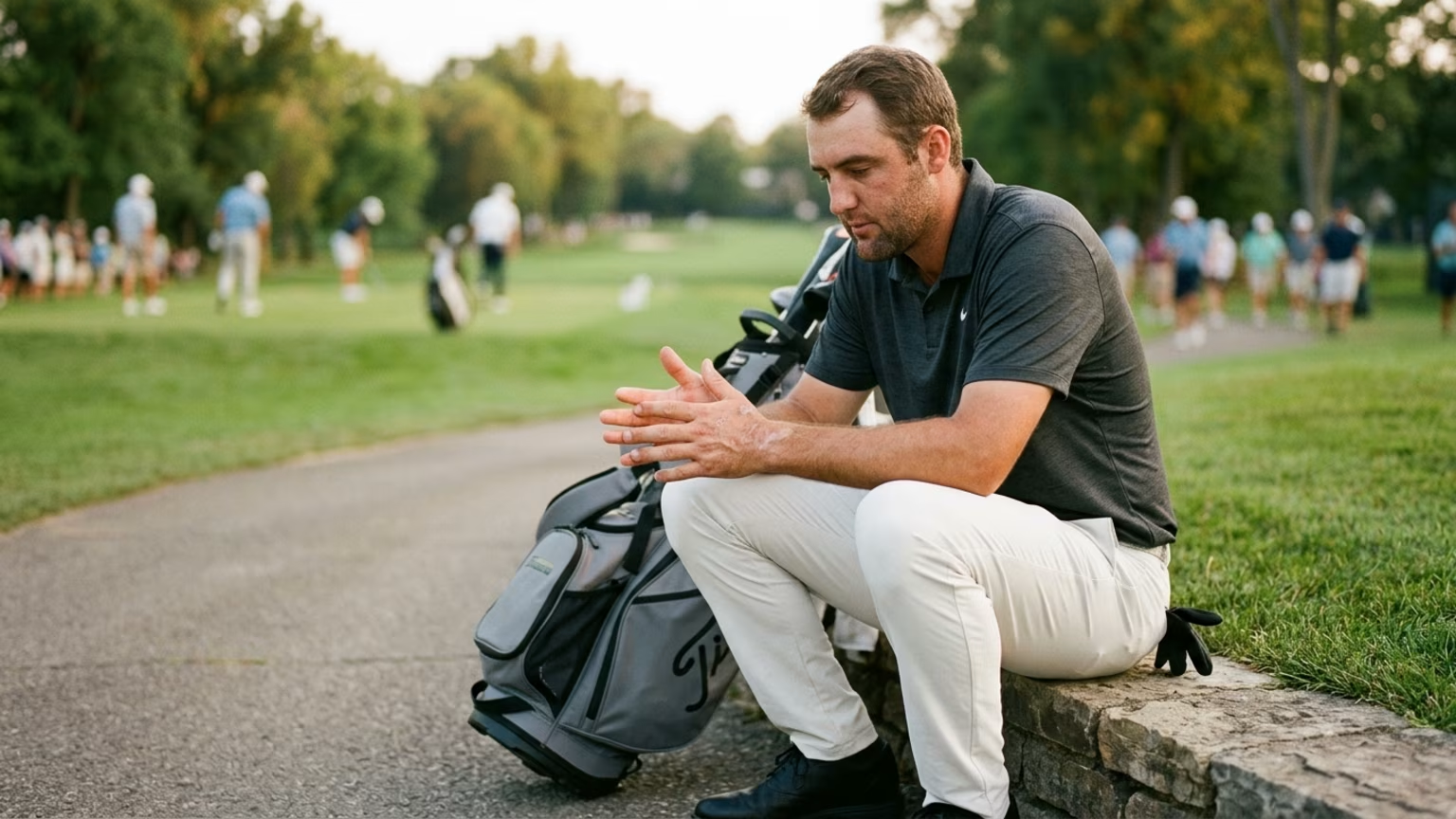
Scottie Scheffler stood on the tee box at the 2026 BMW Championship with painful blisters. His throat ached constantly. Gripping the golf club felt miserable. The world's No. 1 golfer was battling hand, foot and mouth disease.
For experienced recreational players, his experience provides a valuable lesson in managing systemic illness. The 3-step illness management protocol:
Scheffler disclosed his illness after the 2026 BMW Championship. He said the sickness began on Monday night. This happened the day after his dominant eight-stroke victory at the FedEx St. Jude Championship. He described noticeable blisters on his hands and in his throat.
The hand symptoms made gripping a golf club painful. This was particularly true early in the tournament week. Scheffler said he considered withdrawing from the event. He continued playing because he felt he was hitting the ball well. He believed he still had a chance to compete.
This account stands out because the problem was not a conventional injury. The limiting factor was a contagious viral illness. It brought painful skin and throat symptoms. According to PGA Tour coverage, Scheffler opened the event with a 2-over 72. He then recovered with three impressive rounds in the 60s.
Published reports differed slightly on his final placing. CBS Sports reported a 7-under finish and a tie for 12th. PGA Tour coverage listed him as tied for 11th when he signed his scorecard. Always verify the official leaderboard for final classifications. By Sunday, Scheffler said his hands felt normal again. His throat was still bothering him slightly.
He hoped the remaining symptoms would clear over the following days. He noted he would take time to rest before the Tour Championship. Scheffler said he would not work on his game during that rest period, according to coverage of his post-round comments.
The Centers for Disease Control and Prevention notes that hand, foot and mouth disease is common in young children. However, the agency states that anyone can contract the illness. This includes adult athletes. The CDC describes the virus as usually mild but very contagious.
Common symptoms include a fever, a sore throat, and painful mouth sores. Patients often develop a rash on their hands and feet. Most people recover on their own within 7 to 10 days. The illness can spread through respiratory droplets and contaminated surfaces. Transmission also happens via blister fluid and stool.
The CDC recommends frequent handwashing to limit the spread. People should disinfect frequently touched surfaces regularly. You should avoid touching your face with unwashed hands. Avoiding close contact with infected people is also highly advised.
You need a safe way to check your physical baseline before starting a round. Stand quietly and hold a golf club with your normal grip. Notice if the pressure causes sharp pain in your fingers or palms. Scheffler noted that hand lesions directly affected his grip control. If holding the club hurts, your body is warning you to stop.
Next, evaluate your hydration and energy levels carefully. Try drinking a full glass of water. The CDC emphasizes maintaining adequate fluid intake because mouth sores can make swallowing painful. If drinking feels extremely difficult, your body is not ready for outdoor exertion.
When a golfer develops mouth sores, eating solid foods becomes painful. This can lead to a caloric deficit right before a demanding physical activity. Playing 18 holes requires significant energy, and starting a round with low fuel reserves guarantees poor performance on the back nine. A tired golfer is far more likely to compromise their posture, leading to a strained lower back or hips.
Finally, take a short walk around your living room. Notice if you feel lightheaded, weak, or unusually tired. Fever or generalized illness can reduce your ability to tolerate exertion. If walking indoors feels tiring, a full round of golf will be overwhelming. Your baseline test should dictate your next move.
When dealing with a viral illness, you must adjust your approach carefully. Scheffler altered his workout and practice routine to get through the tournament. Following a modified plan helps manage your symptoms safely.
First, separate local discomfort from whole-body illness. Painful hand blisters can interfere directly with grip pressure. This forces you to alter your club control. Fever, marked fatigue, and dizziness are stronger reasons to avoid strenuous play altogether. Always contact a healthcare professional if systemic symptoms arise.
Second, modify your practice volume instead of pushing through the pain. A recreational golfer should avoid high-intensity speed sessions. Substitute gentle mobility work to keep your joints loose. Stop any drill that causes compensatory gripping or altered movement patterns. Maintaining a practical mobility schedule is far better than straining weak muscles. Focus entirely on light putting or chipping if you must practice.
Third, protect your hydration actively. Do not rely on thirst alone when you feel sick. Drink small sips of water constantly during your modified session. If your urine output falls, medical advice is highly appropriate.
Fourth, focus entirely on a gradual return to play. Once your symptoms are clearly improving, start with an easy walk. You can try a short practice session before attempting a full round. Incorporating a consistent load management plan protects you from sudden strain. Listen to your body carefully and rest if fatigue returns.
The CDC highlights that most people recover on their own without severe medical intervention. The standard timeline of 7 to 10 days gives your body enough time to clear the virus. However, this is not a universal green light to immediately return to full-speed swings. Older recreational golfers often need a few extra days to rebuild their strength and joint stability.
Enthusiastic golfers often push too hard and ignore physical warning signs. Scheffler recovered to post three rounds in the 60s despite the illness. That demonstrates his remarkable competitive resilience. However, it does not mean his decision is appropriate for older amateurs.
Using pride as a decision filter is a major mistake. Scheffler said he might have withdrawn if he had been less stubborn. For a recreational golfer, that is a cautionary example rather than a model. If illness affects your balance or concentration, the sensible option is to stop. Avoid false reassurance from a good score.
Another common error is exposing playing partners unnecessarily. The CDC notes that this virus spreads through close contact and contaminated objects. Using gloves or hand sanitizer does not guarantee total safety outdoors. Someone with suspected hand, foot and mouth disease should simply postpone group golf.
Finally, golfers often treat grip changes as a minor annoyance. A golfer who squeezes harder to avoid painful skin creates an inconsistent clubface. This compensatory grip places additional stress on the hands and elbows. This is a practical movement concern that can linger for weeks.
When blisters form on the hands, a golfer naturally seeks a less painful way to hold the club. This subconscious adjustment often leads to a weakened or overly strong grip. These grip changes directly alter the clubface angle at impact. A golfer might start hitting severe slices or hooks simply because their hands hurt.
Furthermore, compensatory gripping forces the forearm muscles to work harder than normal. This extra tension travels up the arm and places additional stress on the elbows and shoulders. Over time, these small mechanical changes can lead to chronic tendinitis or joint pain.
If you are recovering and cleared to play, you must manage your energy seamlessly. Start by paying close attention to your grip pressure during the round. Keep your hands relaxed and avoid gripping the club too tightly. This prevents unnecessary strain on healing skin.
Take frequent breaks while out on the fairway. Sit in the golf cart between shots to conserve your energy. Take slow, deep breaths to regulate your heart rate. Focus entirely on walking at a comfortable, steady pace. If you must swing, focus entirely on turning your trail hip smoothly rather than generating maximum clubhead speed.
Keep a large water bottle in your cart at all times. Take a sip of water after every single hole. This steady intake prevents dehydration without overwhelming your throat. If you feel tired on the back nine, shorten the round immediately.
The reality of playing through a viral illness is complex. Managing your symptoms requires patience, discipline, and a willingness to rest. Scheffler managed to compete at a high level, but he also altered his entire routine to survive the week.
For everyday players, the lesson is clear. The 5-minute investment today that saves you 18 holes of aches tomorrow is simply listening to your body and resting when sick.
Follow Golfergy for practical insights on performance, mobility, recovery and healthy ageing. Stay connected for new articles, research-led guidance and ideas to help you play better for longer.


Review elbow and wrist pain patterns in golf through symptom notes, practice changes, ground contact and grip condition, without assuming a quick fix.


Tiger Woods’ 2017 Dubai withdrawal offers a measured lesson for golfers over 40, with NHS guidance on when back pain needs medical attention.

Understand a stiffer golf turn, notice changes without self-diagnosis and learn when comfortable movement or individualized advice may help.
Explore practical resources on performance, recovery, mobility and golf longevity.
Read the Blog