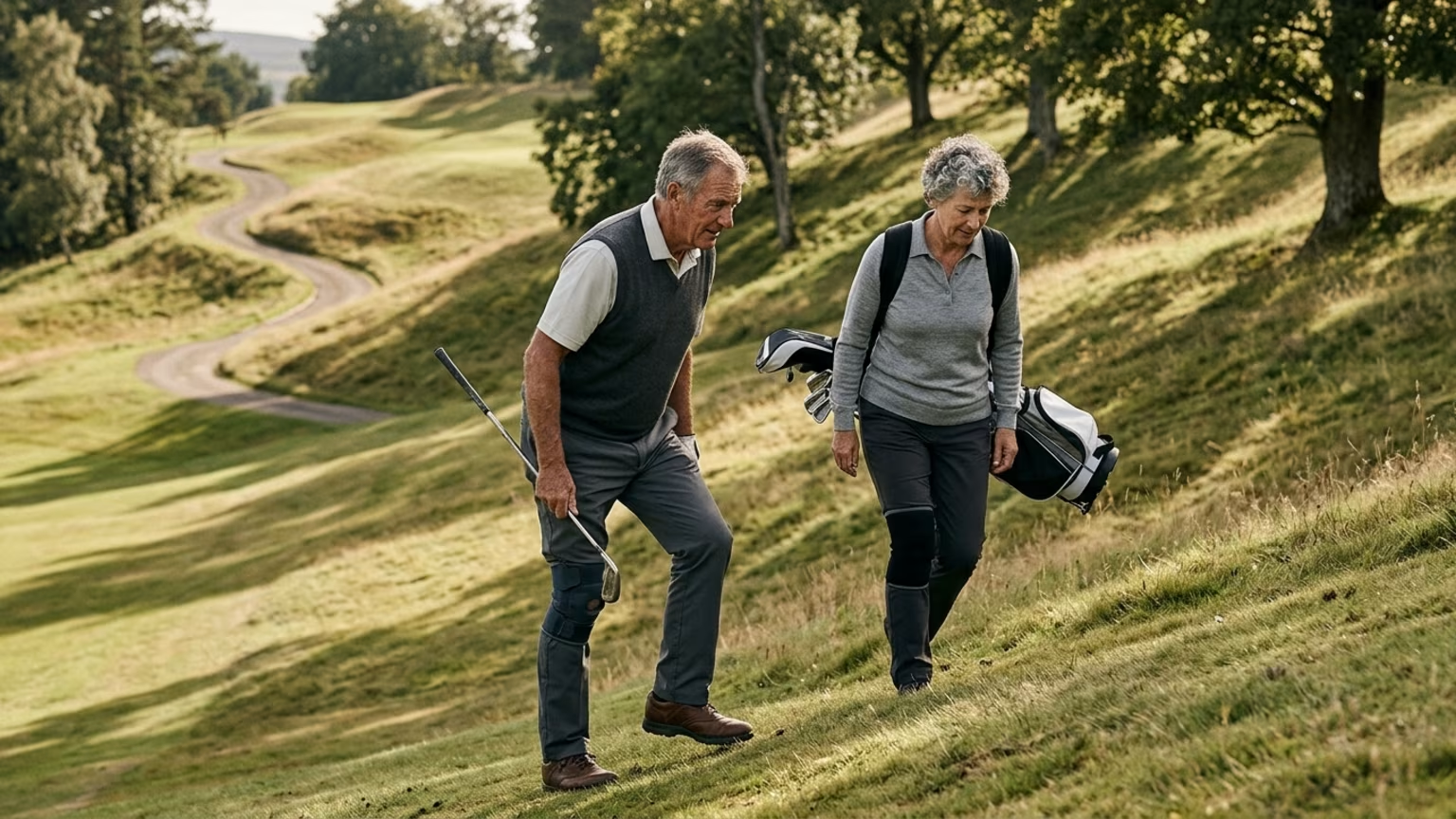

Learn how to manage knee stress on hilly golf courses with practical load management strategies, downhill walking techniques, and simple strengthening habits.




Knee forces can reach up to five times body weight during stair descent. This biomechanical reality explains why walking downhill on a golf course often hurts more than the swing itself. Protecting your joints on hilly terrain requires a deliberate load management strategy. The repetitive stress of navigating slopes can accumulate quickly over eighteen holes.
The saddest thing I have seen in golf is watching lifelong playing partners slowly drop out of our weekend group. It usually starts with a nagging shoulder or knee issue they ignore until it requires surgery. That pattern is exactly why I became obsessed with golf longevity. We do not have to stop playing as we age, provided we do the right maintenance work between rounds.
The four-step downhill walking protocol:
Before starting any routine, you should assess your current leg control safely. Find a standard step in your home with a secure handrail nearby. Stand sideways on the edge of the step. Slowly lower one foot toward the floor below.
Pay close attention to how your body reacts during this simple movement. If you drop quickly or feel immediate discomfort, your quadriceps might need more conditioning. A healthy knee should allow you to lower your foot with complete control. This slow step-down test mimics the eccentric braking demand required on a steep golf course descent.
Walking directly from the car to the tee box is a poor strategy for older joints. You need a dedicated physical preparation to raise muscle temperature before swinging the driver. A proper warm up is a cornerstone of protecting your spine and staying pain-free on the course. AAOS recommends warming up before golf and progressing from wedges toward longer clubs.
Start with brisk walking or marching in place for several minutes. Perform controlled leg swings and gentle bodyweight squats to lubricate the joints. Add standing trunk rotations within a comfortable range. This movement prepares your lower body for the physical demands of the round.
Hilly courses demand more from your lower body than flat fairways. Greater knee flexion and higher knee moments during descent can increase compressive demand at the patellofemoral joint. This articulation between the kneecap and thighbone takes the brunt of the braking force. You can improve your load tolerance with a simple routine done two or three times a week.
Start by sitting in a firm chair with your feet flat on the floor. Lean your chest forward slightly. Push through your heels to stand up slowly. Lower yourself back to the seat with complete control. Focus entirely on moving smoothly without dropping heavily into the chair.
Lie on your back with your knees bent and feet flat on the floor. Press your lower back lightly into the ground. Squeeze your glutes and lift your hips toward the ceiling. Hold this top position for two seconds before lowering down slowly. This movement builds the hip strength needed for uphill climbs.
Stand next to a wall or counter for support. Lift one foot slightly off the floor. Keep your standing knee slightly bent rather than locked straight. Hold this position for thirty seconds before switching legs.
Stand facing a wall with your hands flat against it for balance. Push up onto your toes lifting your heels off the ground. Pause briefly at the top of the movement. Lower your heels back to the floor slowly. Strong calves help absorb shock as you walk across uneven terrain.
Golfers often rush through these exercises in a hurry. They bounce out of the chair quickly rather than controlling the descent. Fast movements defeat the purpose of building eccentric quadriceps strength. You must lower your body slowly to mimic the demands of walking down a steep fairway.
Another common mistake is pushing into sharp joint pain. Mild muscle soreness is a normal response to new exercise. Escalating joint pain or swelling suggests that the workout dose is too high. Evidence-based exercise guidance for people with knee osteoarthritis focuses on regular land-based strengthening over complete rest. You just have to scale the repetitions to your current fitness level.
Attempting a massive workout right before a round is counterproductive. The goal is to build load tolerance gradually over time. A golfer returning after inactivity should aim for two modest sessions per week rather than a single grueling workout. Consistency builds the strength required for walking eighteen holes.
You can apply these load management concepts directly to your next round. On a steep descent, shorten the stride and slow the pace rather than reaching the foot far downhill. Long strides increase the speed that must be controlled at each step. This simple adjustment reduces the braking demand on your quadriceps.
You should also treat uneven lies as a stability problem. A ball placed below your feet changes your balance and alters how your pelvis rotates. Consider taking an extra club and making a shorter, controlled swing. If you adjust your golf mechanics for the slope, you can avoid forcing rotation through a compromised knee.
Pacing yourself is equally critical for joint health. After a period of inactivity, begin with shorter walks before attempting a highly undulating course. You can also boost your late-round stamina by walking flatter holes and using a cart on the steepest sections. Fatigue can make downhill braking less precise, increasing the strain on your joints.
Stable footwear also plays a massive role in course management. Wet grass and steep slopes demand adequate traction to prevent slipping. A secure shoe reduces the sudden twisting reactions that follow a loss of footing. Prioritize comfort and appropriate grip over marketing claims when selecting your next pair.
A hilly golf course requires more mechanical work from your body compared with ordinary level walking. A recent review notes that tibiofemoral forces can reach roughly two to four times body weight during level walking. By controlling your descent and building leg strength, you can handle those forces safely.
The 15-minute conditioning investment during the week saves you 18 holes of aches tomorrow. Golf is a game meant for a lifetime. Walking the course should feel like a privilege rather than a punishment. The hills will always be there waiting for us.
Follow Golfergy for practical insights on performance, mobility, recovery and healthy ageing. Stay connected for new articles, research-led guidance and ideas to help you play better for longer.


Review elbow and wrist pain patterns in golf through symptom notes, practice changes, ground contact and grip condition, without assuming a quick fix.


Tiger Woods’ 2017 Dubai withdrawal offers a measured lesson for golfers over 40, with NHS guidance on when back pain needs medical attention.

Understand a stiffer golf turn, notice changes without self-diagnosis and learn when comfortable movement or individualized advice may help.
Explore practical resources on performance, recovery, mobility and golf longevity.
Read the Blog


