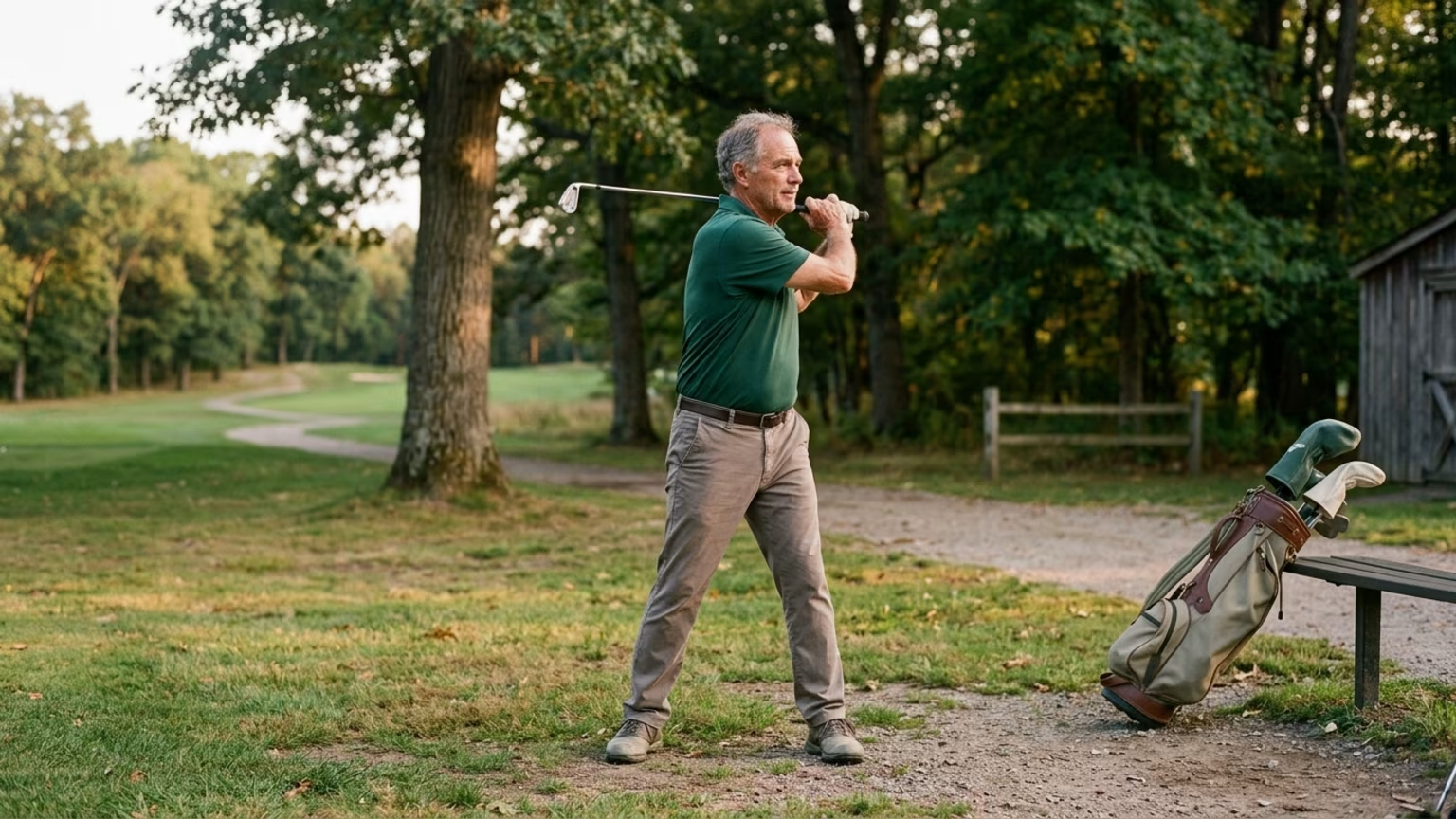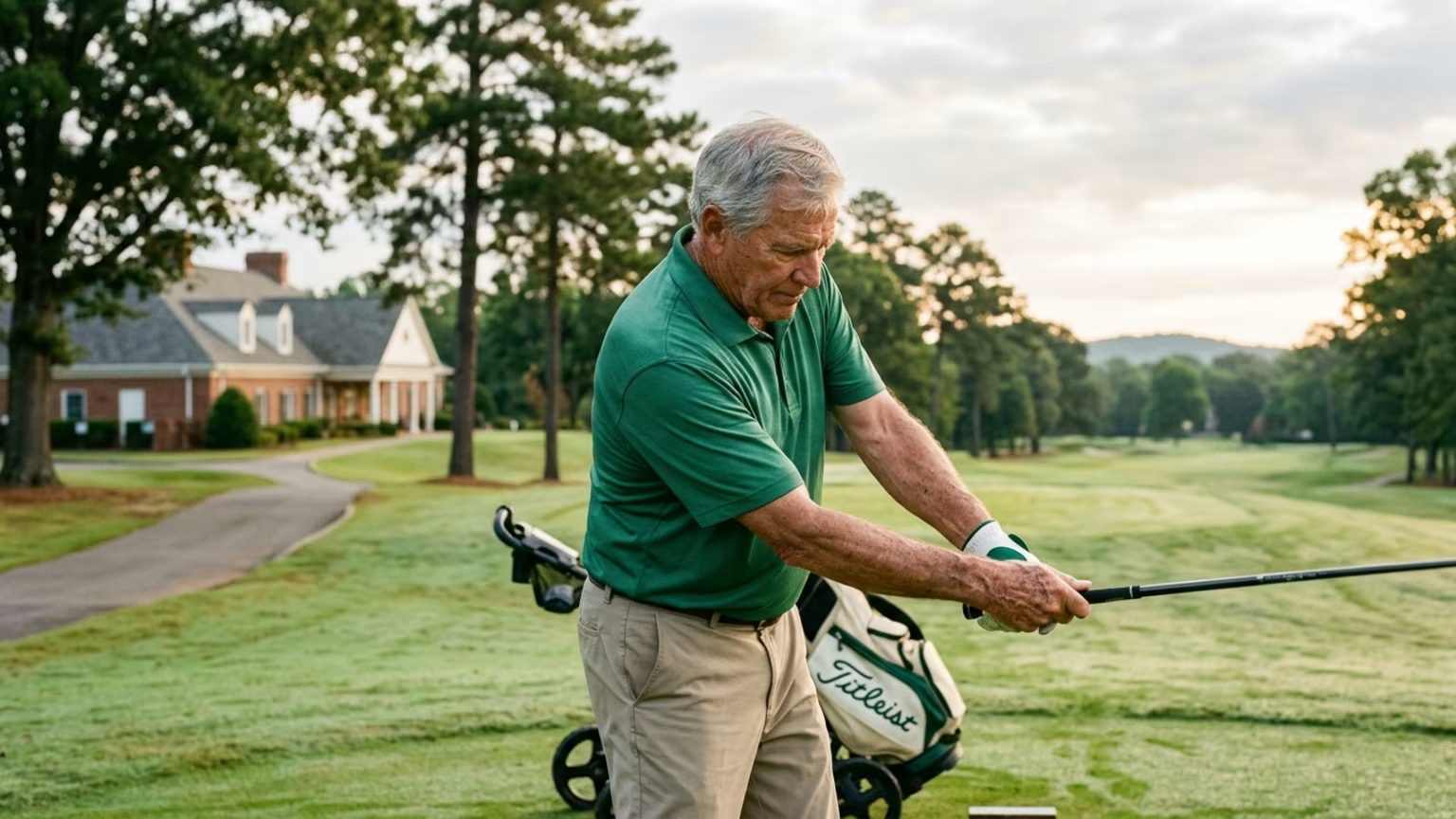

Recent research highlighted by Exercise New Zealand shows why older golfers must prioritize lower-body muscle power over pure grip strength to maintain speed.




On September 30, 2026, Exercise New Zealand’s chief executive Richard Beddie spoke to AusLeisure to highlight a gap in how we view physical ageing. He argued that exercise conversations should include muscle power alongside cardiovascular fitness and strength. The report stressed how the ability to produce force quickly impacts daily physical function. For experienced recreational golfers, maintaining lower body power can help you stay capable and confident on the course as you age.
Muscle strength and muscle power are two distinct physical traits that support your body differently. Strength refers to the absolute highest amount of force a muscle can generate against heavy resistance. Power measures how quickly your muscles can recruit fibers and actually produce that force. During a golf swing, your lower body must generate force rapidly to transfer energy upward into the clubhead.
Slow and steady movements build a solid muscular foundation, but they cannot fully replicate the fast demands of striking a golf ball. When you lose muscle power, everyday physical reactions naturally become more difficult. Beddie illustrated this functional relevance by pointing out the immediate power required to recover after a sudden stumble. Your nervous system and muscle fibers must work together to fire off instantly.
A decline in this fast-twitch capability alters how your joints and connective tissues handle sudden mechanical stress. If your body cannot generate force rapidly, it will rely on compensatory movements to get the job done. In a golf swing, a lack of lower-body power often causes players to overuse their arms and shoulders. This upper-body dominance disrupts your swing sequence and places unwanted strain on your lower back.
The AusLeisure article described a 2026 study published in Experimental Gerontology that evaluated 2,134 adults aged 65 and older. Researchers directly compared sit-to-stand muscle power with handgrip strength to assess associations with physical function and mortality. They found that low sit-to-stand power was associated with poorer functional ability and higher all-cause mortality in both sexes. Among men, low sit-to-stand power was more strongly associated with a slow walking speed than low handgrip strength was.
The AusLeisure report also highlighted a separate 2025 study published in Mayo Clinic Proceedings that followed 3,889 people aged 46 to 75. Over a median duration of 10.8 years, researchers reported that the lowest-power group had a much higher mortality hazard than the highest-power group. The reported hazard was 5.88 times higher among men and 6.90 times higher among women. The article noted that the 2025 study found relative muscle power to be a stronger mortality predictor than relative handgrip strength.
A third study published in the Journal of Sport and Health Science involved 1,876 adults aged 65 and older. In this group, low sit-to-stand power was associated with a history of falls and fractures in men. Women in the study showed a documented association between low lower-body power and hip fractures. The report also noted associations between low muscle power, general hospitalisation rates, and longer hospital stays.
It is strictly necessary to recognize that these figures represent reported statistical associations. They are not definitive proof that low power directly causes premature deaths or health events.
Golfers over 40 face a notable vulnerability to losing lower-body power as they naturally age. Handgrip strength remains an excellent metric for hand health and club control, but it does not capture the explosive requirements of your hips. When you swing a golf club, your legs must push aggressively against the ground to generate rotational speed. If your lower body loses the capacity to fire quickly, your peak swing speed will inevitably decline.
This gradual loss of power often goes completely unnoticed until it begins to affect daily life. A mature golfer might maintain enough pure strength to easily lift a heavy golf bag out of the car. However, that same golfer might struggle to rotate their hips with adequate speed during a tee shot. Golf demands a dynamic transfer of weight that relies entirely on muscular power rather than static strength alone.
Without targeted physical practice, your fast-twitch muscle fibers will naturally weaken and atrophy over time. Amateur golfers are particularly susceptible because their everyday routines rarely require them to move with sudden speed or explosive intent. If you want to safely prepare for high-intent swings, you must proactively address this specific physical decline. Maintaining your ability to produce force quickly is central to preserving your mobility on the course.
Exercise New Zealand provides a highly sensible progression for addressing this age-related physical need. Their specific guidance advises building basic strength and core movement skills before adding any speed to your routine. Once you establish a solid physical foundation, you can cautiously practice moving with appropriate resistance more quickly. This progression must always be scaled to precisely reflect your age, physical ability, and overall health with help from a registered exercise professional.
You should focus on practical functional movements rather than complex machines that isolate single muscle groups. Appropriately scaled sit-to-stands and basic box step-ups are excellent starting points for the mature golfer. When performing a sit-to-stand, try to rise from the chair with a bit more intent and speed while keeping your balance secure. This controlled approach targets your lower-body power without placing undue mechanical stress on your joints.
Keep your training instructions focused on one small movement at a single time to avoid feeling overwhelmed. When stepping up onto a very low box, focus entirely on driving downward through your lead foot. Control your descent, reset your posture carefully, and then apply quick force on the way back up. Consistent practice of these fundamental motions will help you combat age-related muscle changes and preserve your explosive lower-body qualities.
A very common misunderstanding is that power training inherently requires moving maximally fast with extremely heavy weights. This reckless approach often leads to poor form and creates unnecessary physical risk for older athletes. Instead, you should focus almost entirely on moving your own body weight with mild, controlled physical intent. You must prioritize your structural technique and joint safety over sheer speed or heavy external loads.
Another persistent misconception is that isolated strength markers alone provide a complete picture of healthy ageing. The 2026 Experimental Gerontology study carefully compared lower-body power and handgrip strength, but this does not render basic grip exercises irrelevant. The research simply presents lower-body power as an additional functional measure rather than a direct substitute for all other assessments. A truly well-rounded physical routine should comfortably balance pure strength, cardiovascular fitness, and functional muscle power together.
As the recent findings around muscle power indicate, the way we measure physical fitness continues to evolve. Maintaining your ability to rise from a chair quickly translates directly into how effectively you navigate a challenging golf course. Simple, consistent adjustments to your routine can help you build the lower-body resilience needed for a powerful golf swing. What adjustments will you make to your mobility routine this season to steer clear of this physical hazard?
Follow Golfergy for practical insights on performance, mobility, recovery and healthy ageing. Stay connected for new articles, research-led guidance and ideas to help you play better for longer.


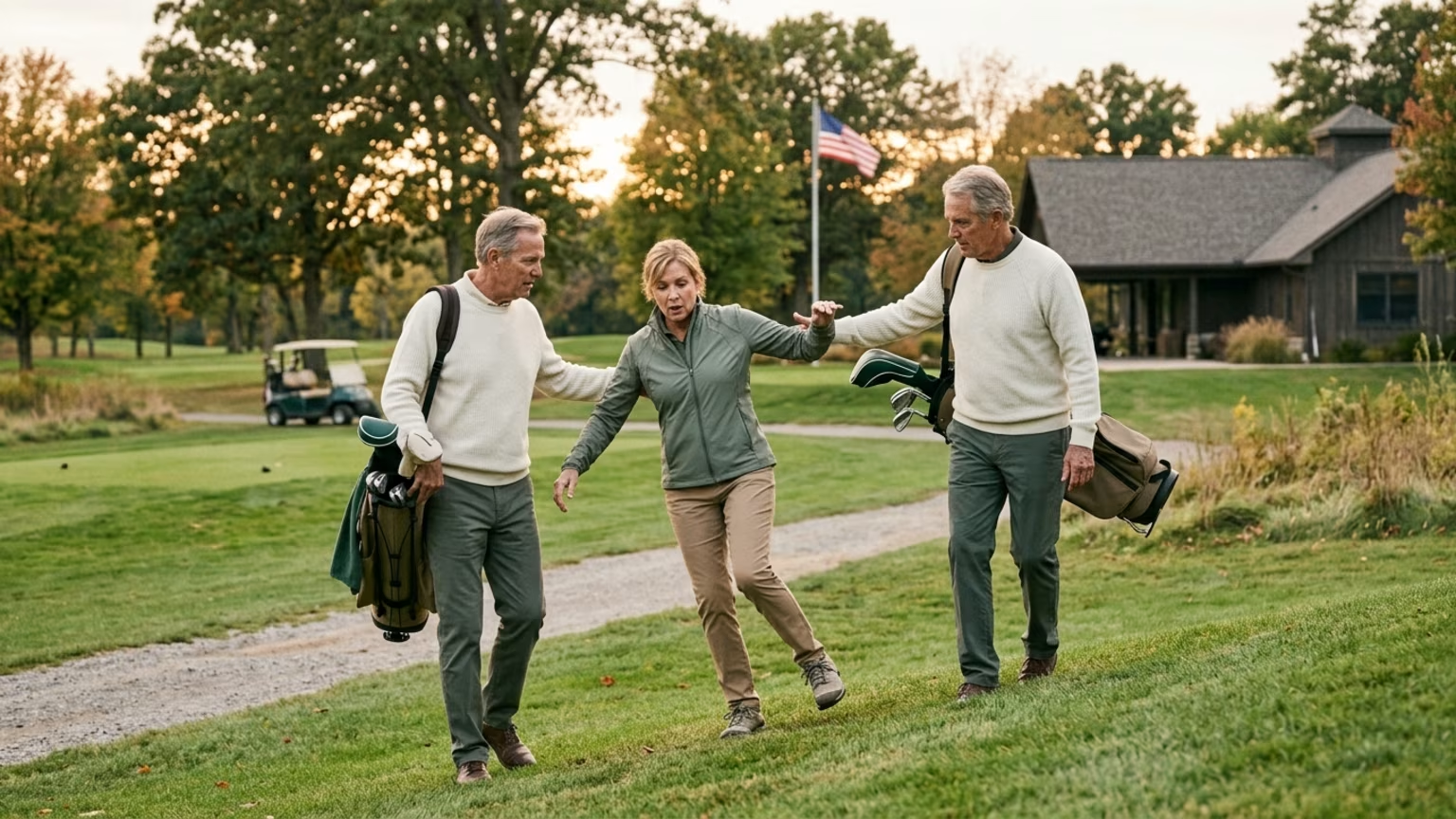
Learn how older golfers can apply the latest Administration for Community Living fall-prevention guidance to maintain balance and protect their golf swing.


Learn how recent research on the DEAF1 gene explains why exercise helps older golfers maintain muscle strength, protect joints, and extend their playing years.
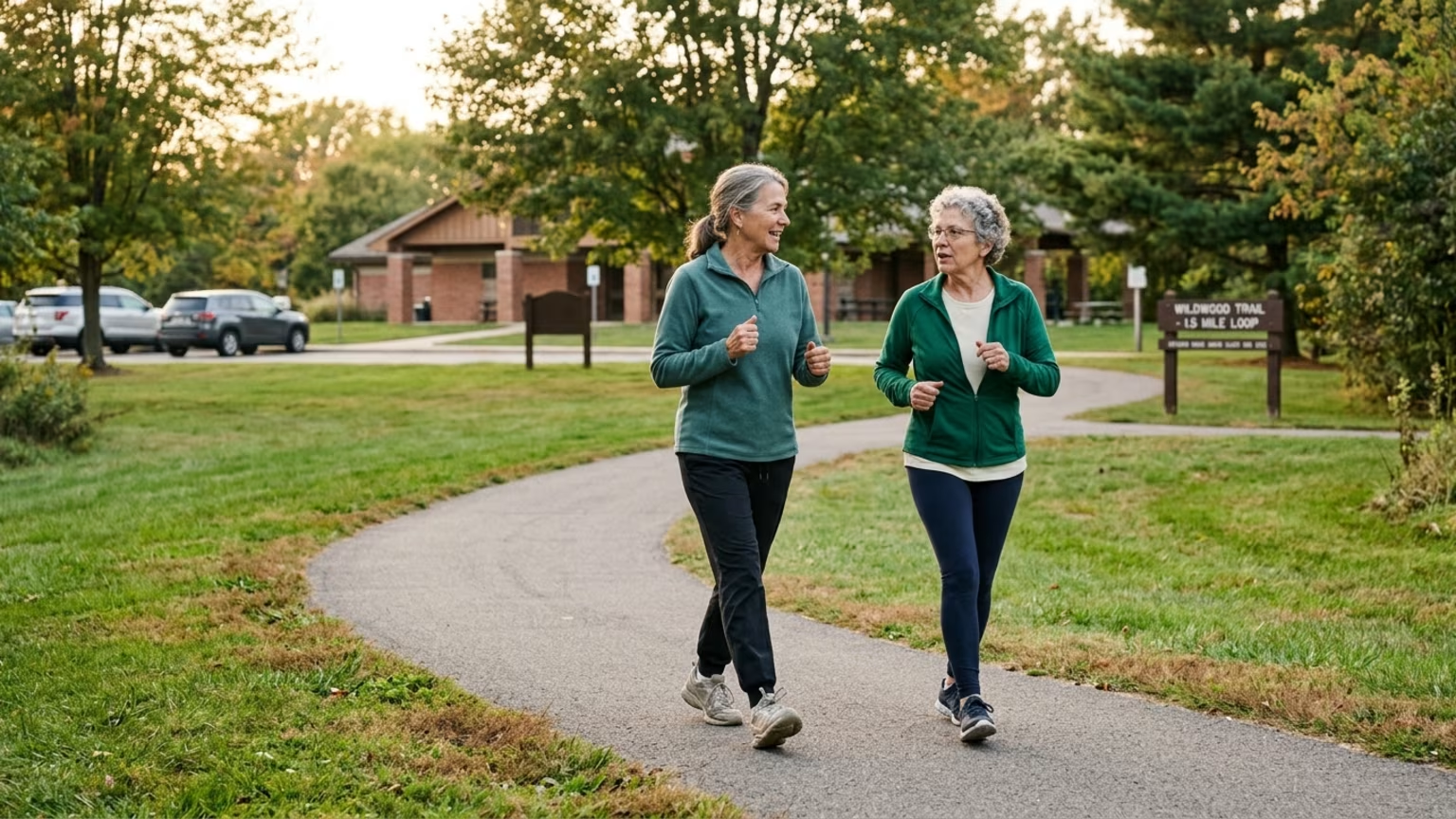
A PLOS ONE trial shows high-intensity walking improved frailty in older adults. Learn how golfers can safely adjust their pace to protect stamina.
Explore practical resources on performance, recovery, mobility and golf longevity.
Read the Blog