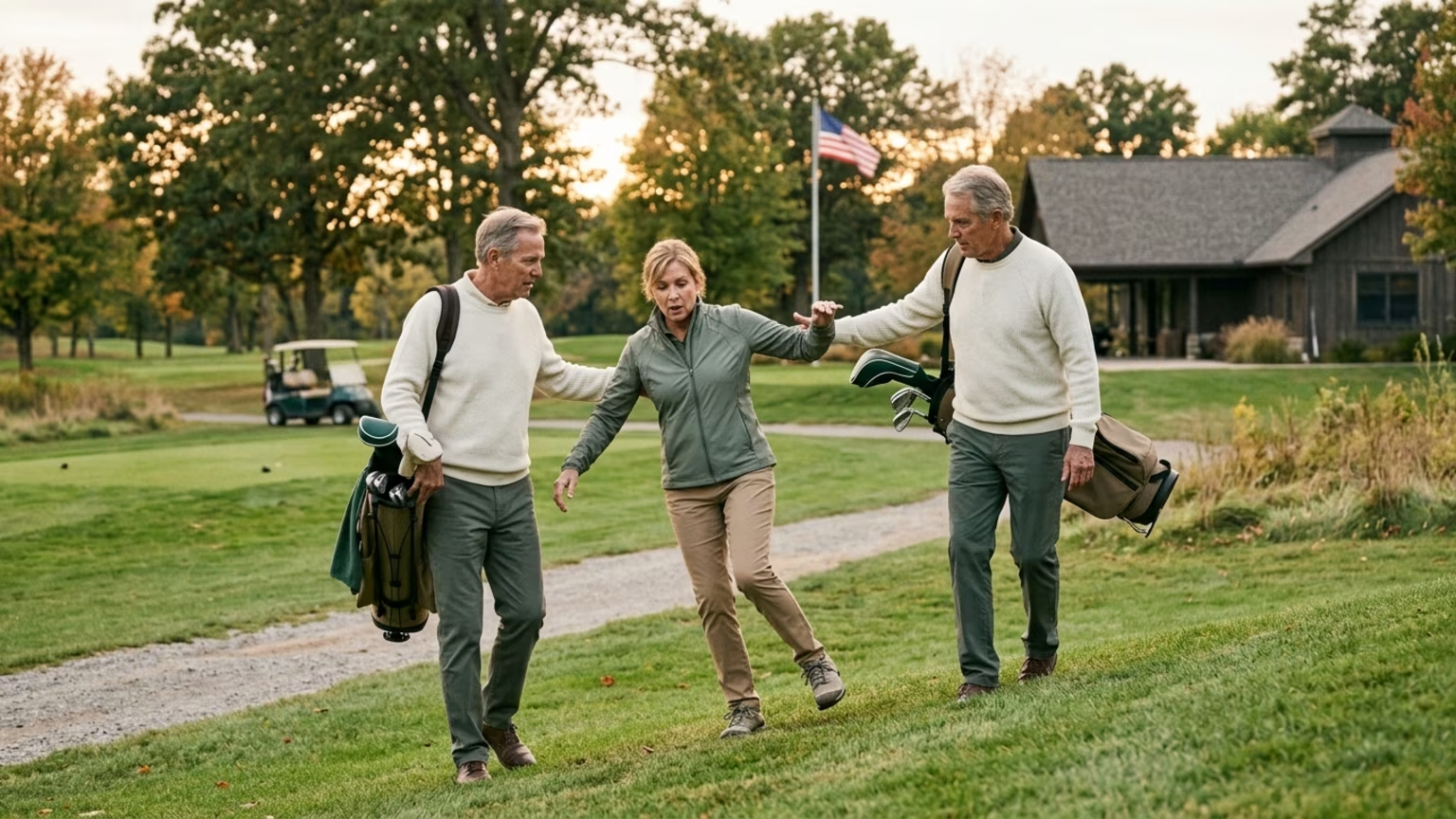

Learn a practical four-step pre-round warm-up to safely prepare your body for golf. This routine uses walking, mobility, and gradual practice swings.




Getting out of the car after a long drive and stepping onto the tee is a familiar reality for older golfers. A gradual physical progression can prepare your body for the round without pushing it past comfortable limits. The four step progressive warm-up sequence includes:
Before you swing a club, take a moment to assess how your body feels today. Stand tall with your arms crossed over your chest. Slowly turn your shoulders to the right and then to the left. Stop immediately when you feel tension.
This simple movement shows you where your baseline restriction is right now. Do not force the turn past that initial point of tightness. Your goal is to notice how stiff your back or hips feel before you start the routine. If one side feels noticeably tighter, you can pay closer attention to your limits on that side.
Another quick test involves a gentle side bend. Stand straight with your hands on your hips. Slowly lean your torso to the right, return to the center, and lean to the left. Notice any stiffness in your lower back or obliques.
Recognizing your physical limits is a crucial part of healthy aging in golf. If your back feels tighter than usual, you can spend an extra minute walking before moving to the mobility phase. Adjusting your routine based on a daily check prevents you from straining cold muscles.
This routine requires almost nothing outside of your normal golf gear. You only need comfortable shoes, a little space near the clubhouse, and a short iron from your bag. Shorter clubs are easier to control during your initial practice swings. You do not need resistance bands or complex training aids.
Keeping the required equipment simple makes the sequence easy to repeat. You can perform these steps in the parking lot or near the practice green. All you really need is enough room to swing a club safely. Using a short iron first helps build rhythm before you attempt full swings.
Some players prefer to bring specialized heavy clubs to warm up. The evidence reviewed here focuses instead on building range and speed with standard clubs. Starting with a pitching wedge or nine iron keeps the physical demand low. You can reserve your driver for the final minute of your practice swings.
The primary goal of preparation is to raise your body temperature safely. According to guidance from Physio for Golf, a structured warm-up should systematically prepare your hips, trunk, and shoulders. You do not need to rush this sequence. The focus is on a steady build up rather than a sudden burst of intense effort.
Begin with three to five minutes of brisk walking. Golf Alcanada suggests this simple activity is an ideal starting point. Walking gets your blood moving without stressing cold joints. If you are returning after a break, this light activity is a sensible way to wake up the system.
Next, transition into two to three minutes of dynamic mobility. PPP Clinic advises using comfortable movements for your trunk, hips, and shoulders. Focus entirely on turning your trail hip smoothly. Keep the ranges of motion relaxed.
You should adapt or skip any movements that aggravate existing stiffness or pain. Follow the upper body work with two minutes of light leg movements. Simple side steps or gentle lunges can help prepare your lower body for the weight shifts required in your swing. Take steady breaths as you move through these leg exercises.
Once your legs feel active, you can transition to the final phase. Pick up a short iron and start with partial practice swings. PPP Clinic recommends beginning with shorter clubs before progressing to longer clubs and higher effort shots. Gradually increase the range and speed of your swings over three to five minutes.
If time allows, Golf Alcanada notes that short game practice is an optional addition to the end of this sequence. Hitting a few chips provides a safe bridge between practice swings and full swings. Stay focused on your breathing and avoid rushing the transition to your driver. This steady progression serves as practical preparation for the physical demands of golf.
Many enthusiastic golfers make the mistake of treating their very first practice swing as a test of maximum range. A physical therapy article focused on golfers traveling over 50 cautions against this exact approach. After travel or a long drive, controlled rotations and gradually larger swings are much safer. Pushing your body to its limit on the first tee defeats the purpose of gradual preparation.
Another common error is expecting a warm-up to act as a magical shield against all physical ailments. The evidence for golf warm-ups is actually mixed when it comes to stopping injuries outright. PPP Clinic notes that direct evidence for golf injury prevention programs is still developing. A warm-up prepares you to play well, but you must still respect your physical limits.
Physio for Golf reports that a systematic review found dynamic routines tend to improve golf performance, but the evidence concerning injury prevention remains mixed. A 2022 randomized trial protocol even set out to study a golf injury prevention program compared with a usual warm-up. That protocol describes planned research rather than finalized results, which shows that injury prevention is not a settled science. PPP Clinic cautions that advice should always be individualized based on your own body.
Skipping the walking phase is another frequent misstep. Golfers often walk straight from their car to the practice tee and begin swinging immediately. This sudden transition ignores the need to elevate your core temperature safely. Taking a few minutes to walk gives your cardiovascular system time to adjust before you demand rotational power.
Overdoing the stretch is the final mistake older players often make. Holding a static stretch aggressively can actually diminish your power and irritate cold tissues. Keep the movements dynamic, light, and well within your pain free range. Your goal is a smarter pre-round warm-up that protects your joints.
The benefits of your pre-round routine can fade quickly if the course backs up. Spending twenty minutes waiting on a tee box allows your body temperature to drop. Keep your joints active by repeating small elements of your earlier mobility work. A simple cart side stretch is often enough to keep the stiffness away.
Hold onto the roof strut of the cart, stand tall, and slowly rotate your torso back and forth. This gentle movement maintains the shoulder and trunk mobility you established earlier. You can also take a few slow, partial practice swings while you wait. These small habits serve as a great first-tee warm-up when delays happen.
If you are riding in a cart, consider walking to your ball on a few holes. Walking is a natural way to maintain the increased body temperature from your initial preparation. Little bursts of light movement keep your muscles ready for the next shot.
Rushing to the tee with cold muscles makes the game harder than it needs to be. A short progression of walking, comfortable mobility, and gradual swings helps your body transition safely into golf mode. Adjust the timing to fit your morning, but keep the gradual sequence intact. The 15-minute investment today is the practical preparation that saves you 18 holes of aches tomorrow.
Follow Golfergy for practical insights on performance, mobility, recovery and healthy ageing. Stay connected for new articles, research-led guidance and ideas to help you play better for longer.



Understand why repeated golf swings stress the lower back, how aging alters joint rotation, and practical habits to help older players manage physical strain.


A practical golf warm-up transitions your body from daily stiffness to the first tee. Learn how controlled mobility and gradual swings protect an ageing golfer.
Learn how to recognize the five most common golf injuries for players over 40. We cover the early warning signs and practical habits to protect your swing.
Explore practical resources on performance, recovery, mobility and golf longevity.
Read the Blog