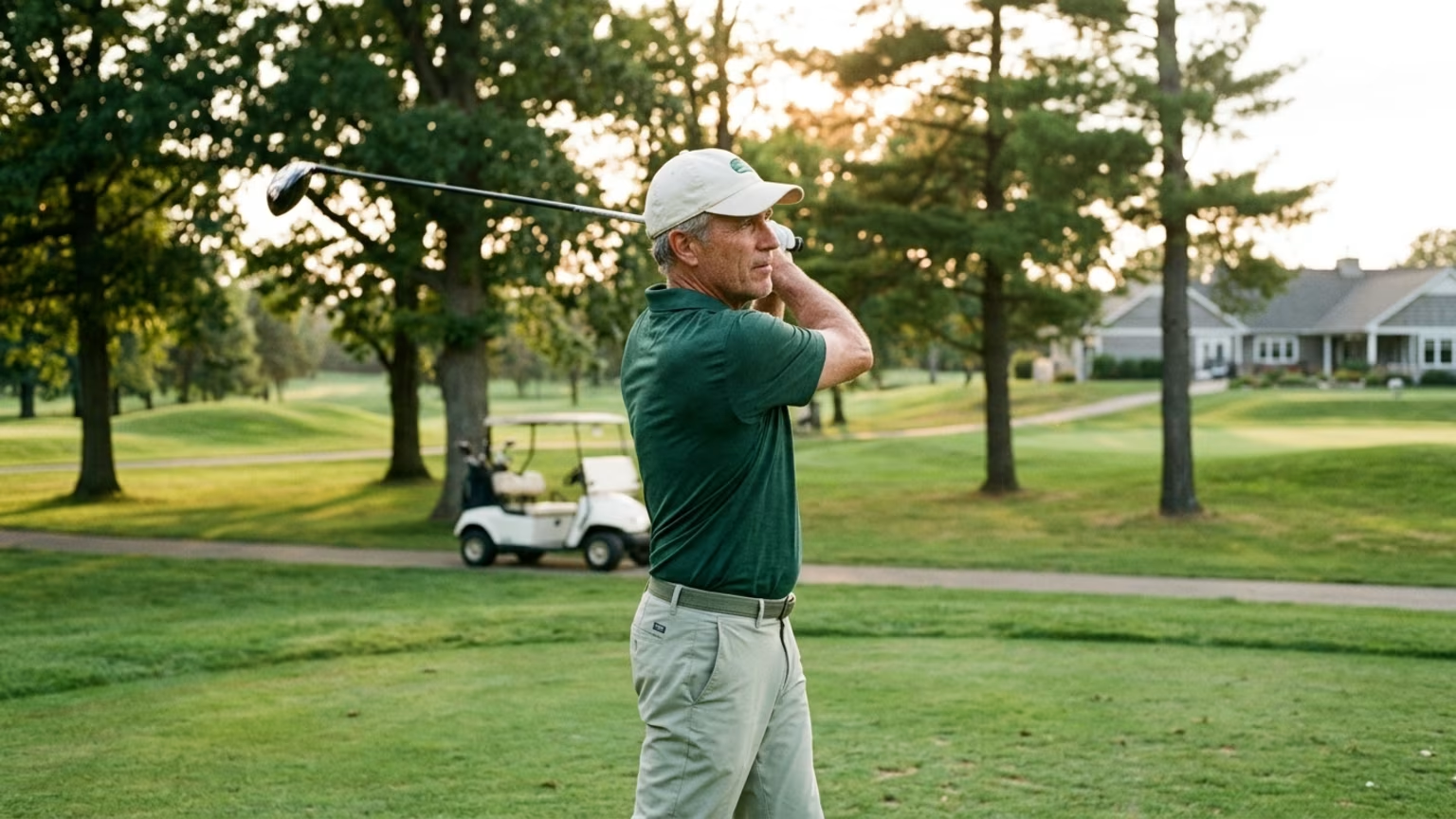
A breakdown of WHO healthy ageing targets and what they mean for older golfers. Learn why walking the course requires complementary balance and strength work.




The provided research does not detail a recent tournament withdrawal by a professional golfer. Instead, the verifiable event centers on a recent broadcast of The Hindu’s 50th Health Wrap episode. The episode brought Ramya Kannan, the Health Editor at The Hindu, and longevity specialist Dr Navin Gnanasekaran together. They discussed healthy ageing, longevity, and the physical benefits of racquet sports.
Dr Gnanasekaran, head of radiology at Apollo Hospitals in Chennai, emphasized adjusting advice for individual contexts. He noted that culturally specific factors affect populations differently. The central conversation focused heavily on maintaining function over time. This broadcast brings critical attention to how recreational sports support physical health for older adults.
The podcast episode highlighted a distinct difference between lifespan and healthspan. Lifespan measures the total number of years a person lives. Healthspan tracks the years spent in good health with useful physical function. The physical mechanics of aging involve a gradual loss of muscle mass and joint stability.
These physical changes directly affect how tissues and joints behave during a golf swing. A lack of functional capacity limits rotation in the hips and shoulders. This loss of movement quality reduces swing speed and increases the risk of falls. Tissues become less elastic and joints lose their natural range of motion.
The goal of healthy aging is to preserve functional balance and strength. Proper joint mechanics require active maintenance to handle the rotational forces of a golf swing. Older adults must actively combat the natural stiffening of muscles and connective tissues. Maintaining this capacity supports independent living and consistent performance on the golf course.
This stiffness extends beyond the fairway into everyday routines. Simple actions become more difficult as connective tissues lose their natural resilience. Losing the ability to move easily limits how often players can practice or play. A proactive approach to joint care prevents these issues from escalating.
The episode placed its advice against the backdrop of shifting global demographics. A United Nations population report projects a substantial increase in older citizens from 2022 to 2050. The World Health Organization provides clear guidance to help adults navigate these coming decades.
The WHO recommends 150 to 300 minutes of moderate intensity aerobic activity per week for older adults. Those preferring vigorous activity should target 75 to 150 minutes weekly. The guidance also explicitly calls for muscle strengthening exercise on at least two days a week.
For older populations, the WHO adds a specific requirement for functional balance work. This guidance calls for varied, multicomponent activity on at least three days per week. This multicomponent approach specifically targets fall risk and overall mobility. Adhering to these targets helps individuals preserve their ability to move safely.
The program also covered the critical roles of nutrition and sleep in maintaining health. Recovery relies on consistent habits rather than a single perfect exercise intervention. Managing stress, metabolism, and inflammation forms the foundation of physical longevity. Combining these elements creates a complete strategy for active adults.
Golfers over 40 face unique vulnerabilities concerning balance and joint health. Many players assume that walking the golf course provides a complete physical workout. This belief leaves them exposed to hidden gaps in their fitness routines. Swinging with less speed does not protect older players from the hazards of poor stability.
A scoping review in the British Journal of Sports Medicine examined 301 studies on the subject. This review noted that golf can constitute moderate intensity physical activity. This benefit is particularly clear when players walk rather than use a cart for the entire round. However, golf alone is not a complete fall prevention program.
A separate Sports Medicine systematic review screened 572 records and included 23 studies. This review found positive evidence involving balance, blood pressure, and blood lipids. It also noted positive signals in cardiovascular, metabolic, and musculoskeletal indicators. The physical demands of the sport do not replace the need for dedicated strength work.
The evidence from these reviews remains suggestive rather than definitive. The reports describe diverse evidence and identify the need for more long term research. Without targeted exercise outside of golf, older adults remain vulnerable to joint pain and balance issues.
Many experienced recreational players ignore the early signs of physical decline. They assume that regular weekend rounds automatically offset the effects of aging. This false sense of security leads to preventable injuries on the course. Recognizing the limitations of playing golf alone represents the first step toward improvement.
Recreational golfers must treat the sport as just one component of their weekly movement plan. The World Health Organization suggests adding multicomponent activity for older adults to address mobility limits. You can build a balanced routine by incorporating simple functional movements at home. Focus entirely on turning your trail hip during a controlled standing stretch.
These small additions complement the aerobic benefits of walking the golf course. Make walking strategic by paying attention to the terrain, course pace, and your own fatigue levels. You should measure your physical function by practical daily markers rather than just your golf score. Useful markers include walking comfortably, getting up from a chair, and rotating without pain.
Dr Gnanasekaran described recreational sports as combining physical activity with social engagement and mental stimulation. Golf delivers these mental and social benefits perfectly. Pairing your weekend rounds with targeted strength exercises protects your ability to recover safely. Golfergy focuses on helping experienced players build these sustainable habits over time.
Building a weekly healthy ageing routine provides crucial structure for your week. Incorporating steady practices helps you maintain joint health without overexerting yourself. Focusing on healthy ageing gives you a clearer path forward. Taking action now helps you stay on the course for years to come.
A popular misconception assumes a four hour golf booking equals four hours of moderate intensity exercise. The reality is far less straightforward for recreational players seeking health benefits. The actual exercise contribution depends heavily on how much the player walks. Terrain, rest periods, and personal fitness levels all change the total aerobic load.
Another misconception suggests that older adults must walk every round to stay healthy. Using a golf cart when necessary allows players to continue playing safely without exhaustion. Riding a cart protects players from extreme heat and helps manage existing joint pain. The central goal is sustained participation rather than forcing high intensity at every outing.
Some players mistake golf for a replacement for resistance training. The WHO guidelines clearly separate aerobic activity from muscle strengthening work. Swinging a club does not build the heavy muscle mass required for long term health. The existing reviews support cautious associations, not a claim that golf alone causes longer life.
The existence of a relationship between golf participation and health outcomes does not establish direct causation. Players must seek out strength training beyond the edges of the golf course. Relying solely on a weekend round leaves critical elements of physical health unaddressed.
The shift from tracking lifespan to focusing on healthspan changes how we approach daily movement. Preserving mobility allows older adults to retain independence and continue participating socially. Simple additions to your weekly schedule make a substantial difference over the years.
Taking control of your physical health requires honest assessment and steady action. Treating your body with care outside of golf directly improves your experience on the course. The most successful players prioritize consistency over sudden bursts of intense effort. What adjustments will you make to your mobility routine this season to steer clear of this hazard?
Follow Golfergy for practical insights on performance, mobility, recovery and healthy ageing. Stay connected for new articles, research-led guidance and ideas to help you play better for longer.


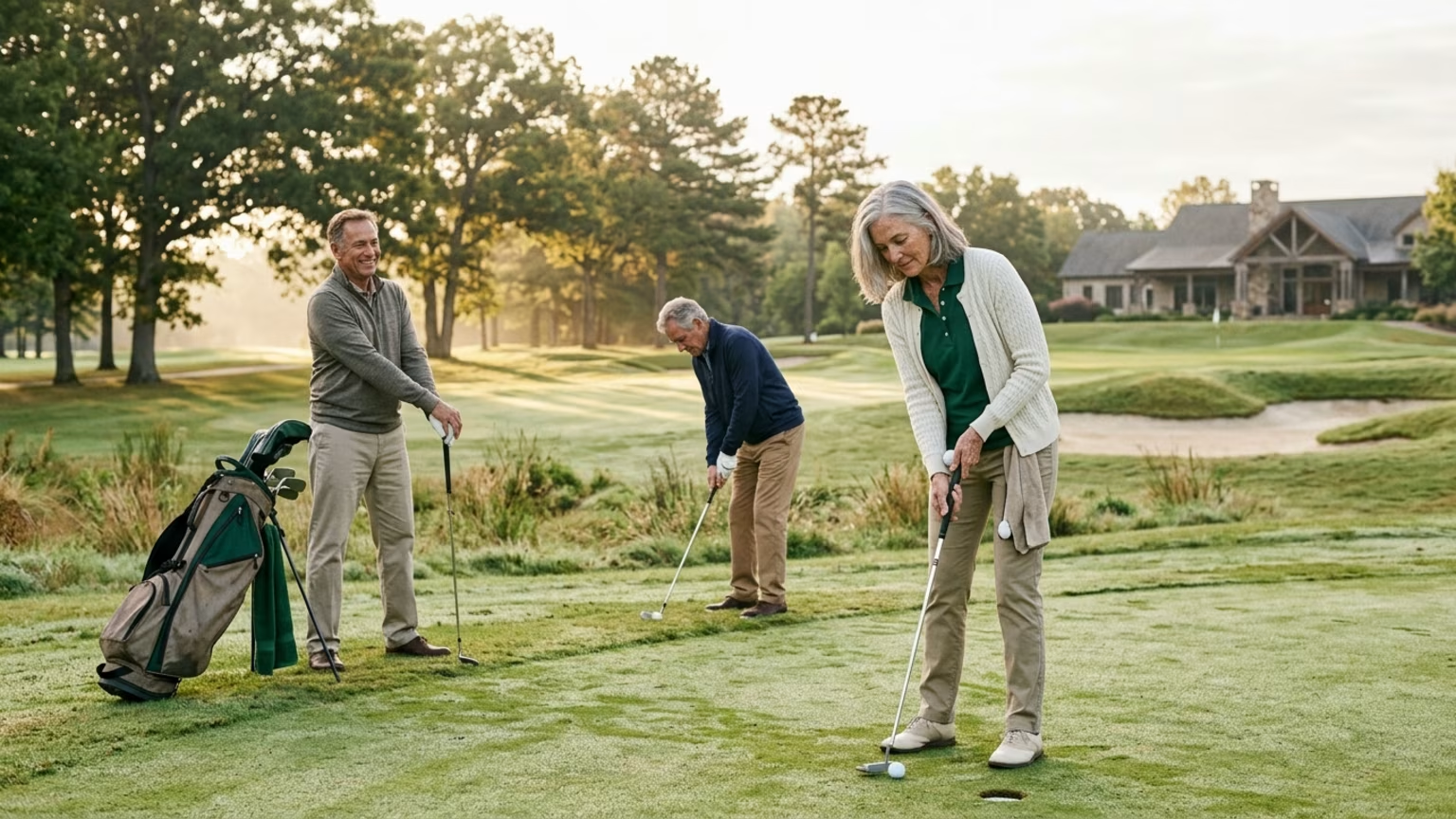
Learn how five structured weekly habits can help golfers over 50 protect their joint mobility, reduce tissue strain, and play consistently for decades.

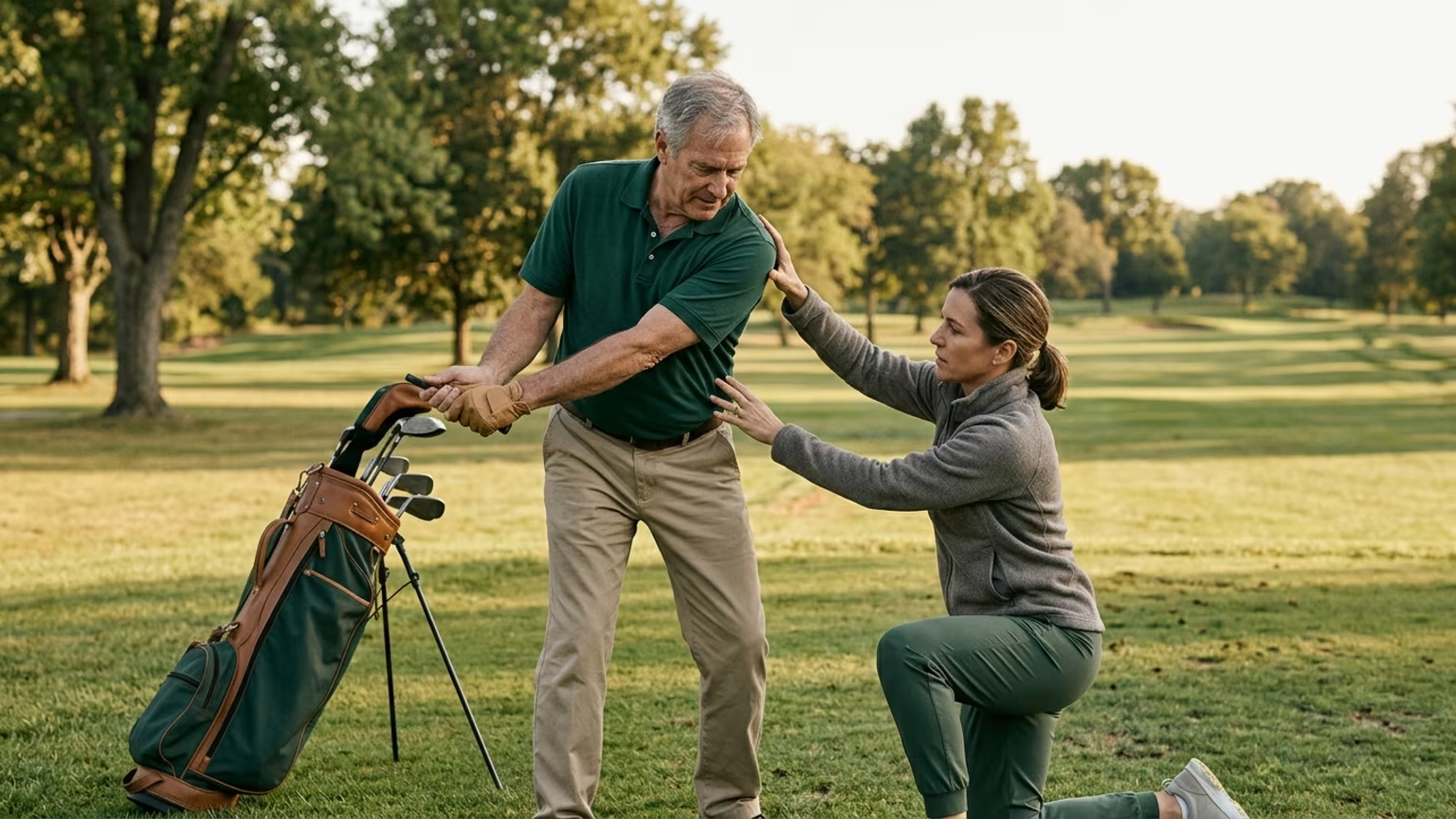
The APTA 'PT For Future Me' campaign emphasizes proactive physical therapy to maintain lifelong mobility. Learn how older golfers can use these principles.
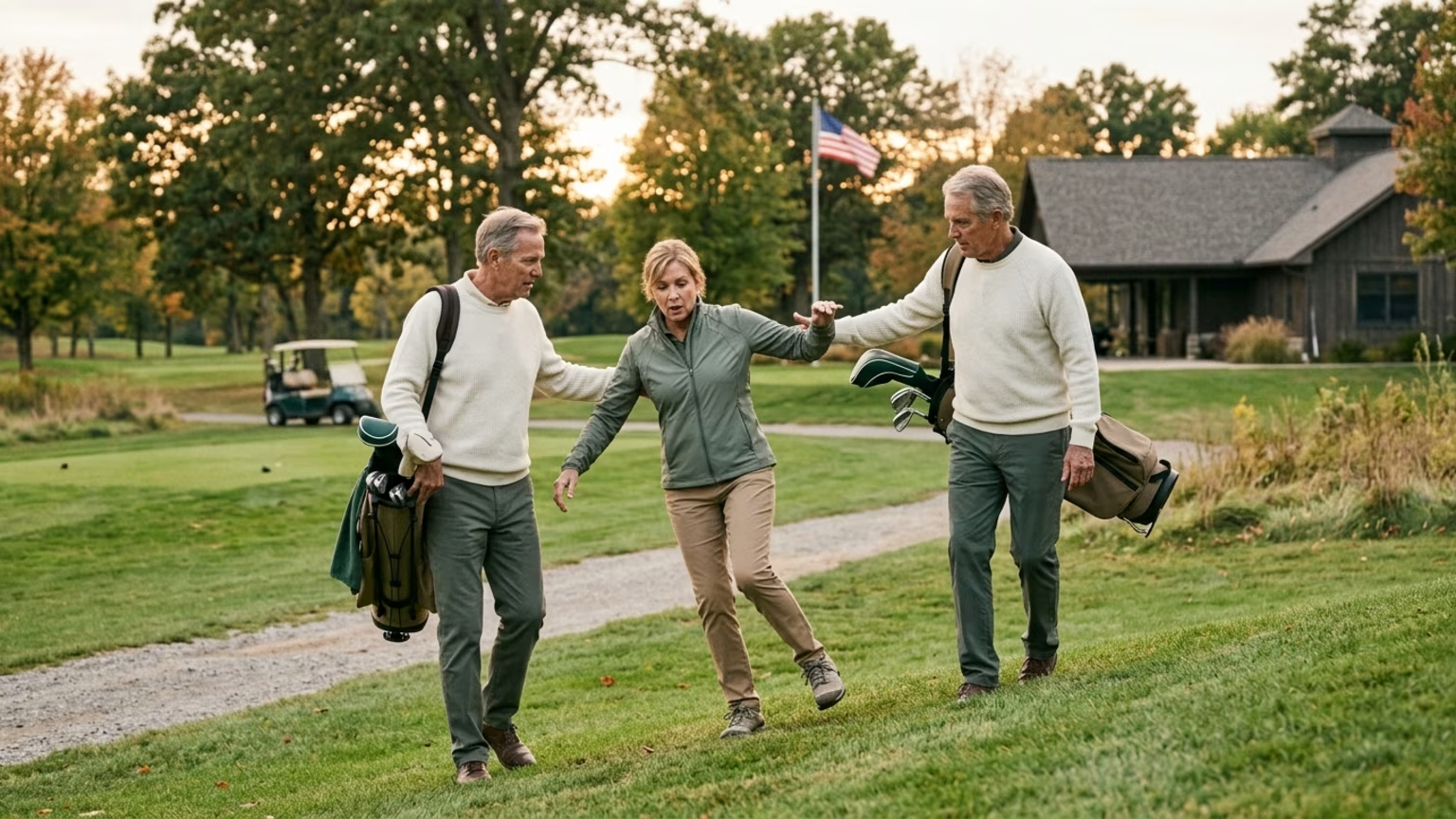
Learn how older golfers can apply the latest Administration for Community Living fall-prevention guidance to maintain balance and protect their golf swing.
Explore practical resources on performance, recovery, mobility and golf longevity.
Read the Blog