Learn a simple physical and cognitive routine to manage fatigue, maintain balance, and sustain mental focus on the back nine of your next golf round.




A recent medical review cited a Swedish observational study of 300,818 golfers that found a 40 percent lower mortality rate among players compared to non-golfers. While this study design cannot prove direct causation, it highlights the significant physical demands of the game. Playing a full round provides moderate-intensity physical activity that tests your stamina.
The 3-step cognitive endurance protocol:
Physical exhaustion routinely disguises itself as poor mental focus during a round. A few years ago, I noticed my swing falling apart around the 14th hole. My lower back would tighten up, and I started compensating with my arms. I spent months thinking it was a swing flaw.
It was not until I started a simple evening hip mobility routine that I realized my glutes were just turning off from fatigue. Fixing that one physical limitation brought my back nine scores down drastically. Your brain struggles to process strategic choices when it is actively trying to protect a tired joint. Here at golfergy, our team sees this specific breakdown constantly among older players.
The available review literature suggests that golf may improve balance, proprioception, muscle endurance and function. These benefits apply particularly to older adults. Golf is classified as moderate-intensity physical activity, and it has been associated with several cardiovascular, respiratory and mental-wellness benefits.
You must establish your physical readiness before heading to the first tee. Stand tall and slowly rotate your hips left and right. Keep your shoulders perfectly still during this simple movement. Notice any stiffness or hesitation in your lower body.
If you notice immediate tightness in your right hip, your body will instinctively restrict rotation during your backswing. This restriction forces your arms to work harder to generate power. Over several hours, this compensation drains your energy reserves. Identifying this limitation early allows you to adjust your expectations and rely on smoother rhythm.
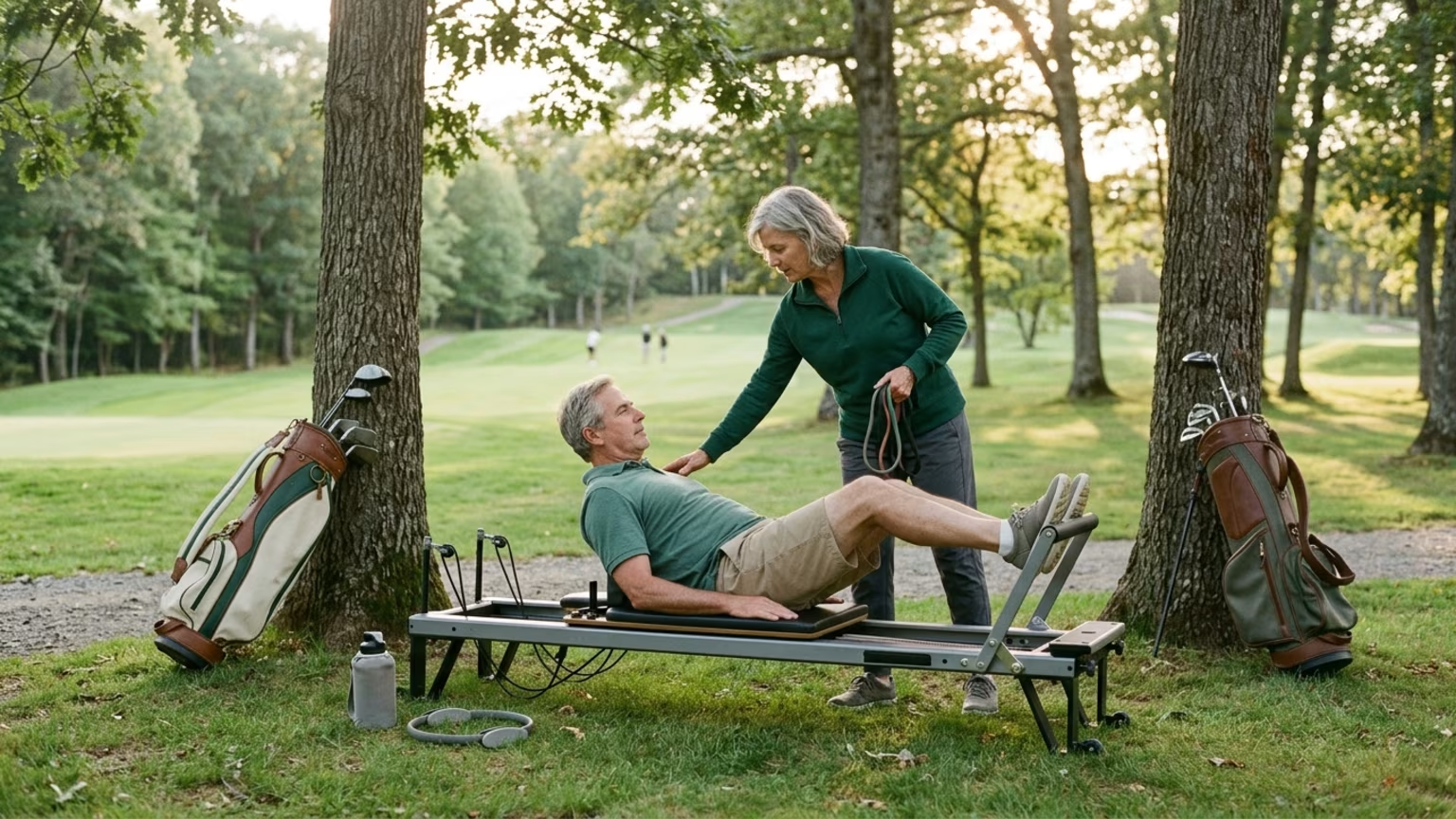
Proper conditioning keeps your mind sharp by preventing physical deterioration. You can perform this sequence at home to build the necessary stamina. Start by lying perfectly flat on a comfortable surface. Bend your knees and place your feet flat on the floor.
Focus entirely on activating your lower body for the first movement. Squeeze your glutes tightly before lifting your hips off the ground. Raise your body until it forms a straight line from your knees to your shoulders. Hold this position for two seconds while taking a slow breath.
Lower your hips back down with complete control. This specific movement prevents the lower back pain that often derails focus on the back nine. Repeat this bridge exercise ten times to build your foundation. Try to maintain a steady, relaxed breathing pattern throughout the set.
Connecting this physical activation to your glute activation routine builds lasting stamina for late-round performance. Next, stand up and practice translating this stability into your actual swing. Pick a specific target across the room and commit to a simulated shot. Take a slow breath by inhaling smoothly for four seconds.
Exhale completely before executing a slow practice swing. This structured sequence acts as a pre-shot routine that separates decision making from physical execution. Once your glutes feel active, transition into a simple core bracing drill. Stand with your feet shoulder-width apart and place your hands on your stomach.
Brace your abdominal muscles as if preparing to receive a light punch. Hold this firm tension for five seconds while continuing to breathe normally. This internal pressure stabilizes your spine during the rotational forces of the golf swing.
Players frequently undermine their own preparation by rushing through the movements. You might feel tempted to force a deeper stretch during the hip bridge. This overextension shifts the workload from your glutes directly into your fragile lower spine. The goal is to build reliable muscle endurance, not maximum flexibility.
Another frequent error involves overthinking mechanics when your body gets tired. As fatigue sets in around the 15th hole, players often start analyzing their swing path. Adding technical thoughts when you are physically drained only accelerates your cognitive decline. You must strictly enforce the boundary between choosing your shot and swinging the club.
Many golfers also forget to pace themselves appropriately during the round. Walking 18 holes creates a cumulative physical toll on your joints and muscles. If doubt creeps into your mind over the ball, step away immediately. Pushing through mental fog without a proper cognitive reset guarantees poor execution.
You can easily maintain your mental clarity and physical readiness throughout the round. When waiting on the tee box, perform a simple standing hip rotation. Shift your weight gently from side to side to keep your muscles engaged. This small movement reinforces your proprioception and balance between shots.
Keeping your lower body active prevents stiffness from ruining your setup. Implement your chosen swing trigger when it is your turn to play. Stand directly behind the ball and commit firmly to your target line. Take one slow breath to calm your nervous system and clear your mind.
Step into the address position and focus solely on a smooth tempo. Focusing on a single physical cue quiets the mental noise. This habit helps you navigate the lower back barriers that frequently surface on the closing holes. Track your balance and finish position after every swing.
This self-monitoring technique prevents physical exhaustion from masking itself as a sudden loss of talent.
A reliable physical foundation is the ultimate defense against mental fatigue. Golf provides substantial physical-health and metabolic benefits when played regularly. Earning those benefits requires a commitment to maintaining your muscle endurance. Consider this routine the 5-minute investment today that saves you 18 holes of aches tomorrow.
True cognitive endurance comes from trusting your preparation when the game gets difficult. Building stamina takes steady patience and realistic expectations. The best players accept their physical limits and manage their energy wisely.
Follow Golfergy for practical insights on performance, mobility, recovery and healthy ageing. Stay connected for new articles, research-led guidance and ideas to help you play better for longer.


The 2027 PGA Show is expanding its Performance Zone. Learn why the golf industry's shift toward fitness and recovery matters for players over 40.

Brooks Koepka called his 2026 PGA Tour return pathetic after struggling with his putting. Learn how older players can track performance to maintain consistency.

Learn why dynamic stability and neuromotor fitness matter for older golfers. Find practical habits to adapt to uneven lies and protect your aging joints.
Explore practical resources on performance, recovery, mobility and golf longevity.
Read the Blog