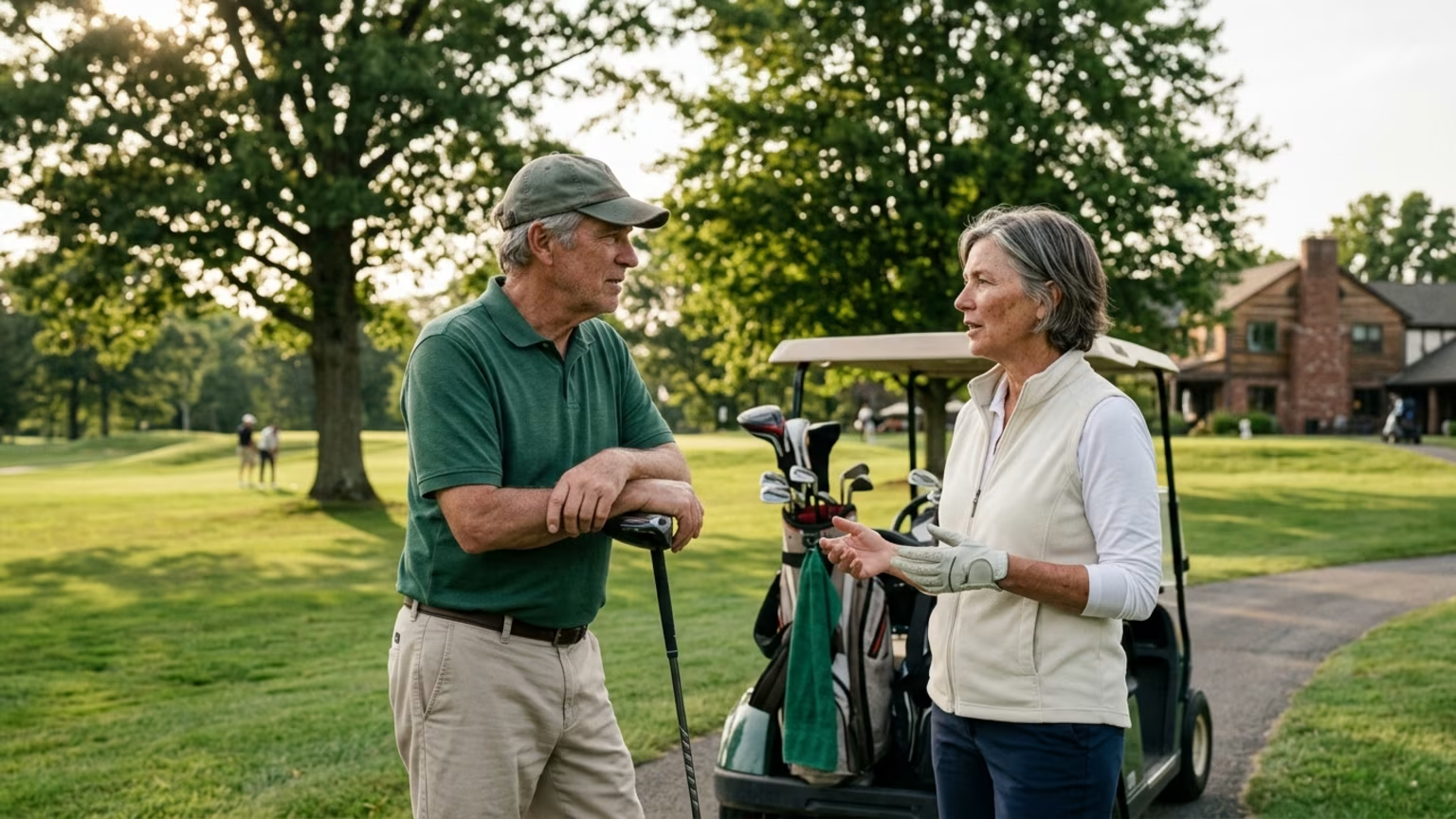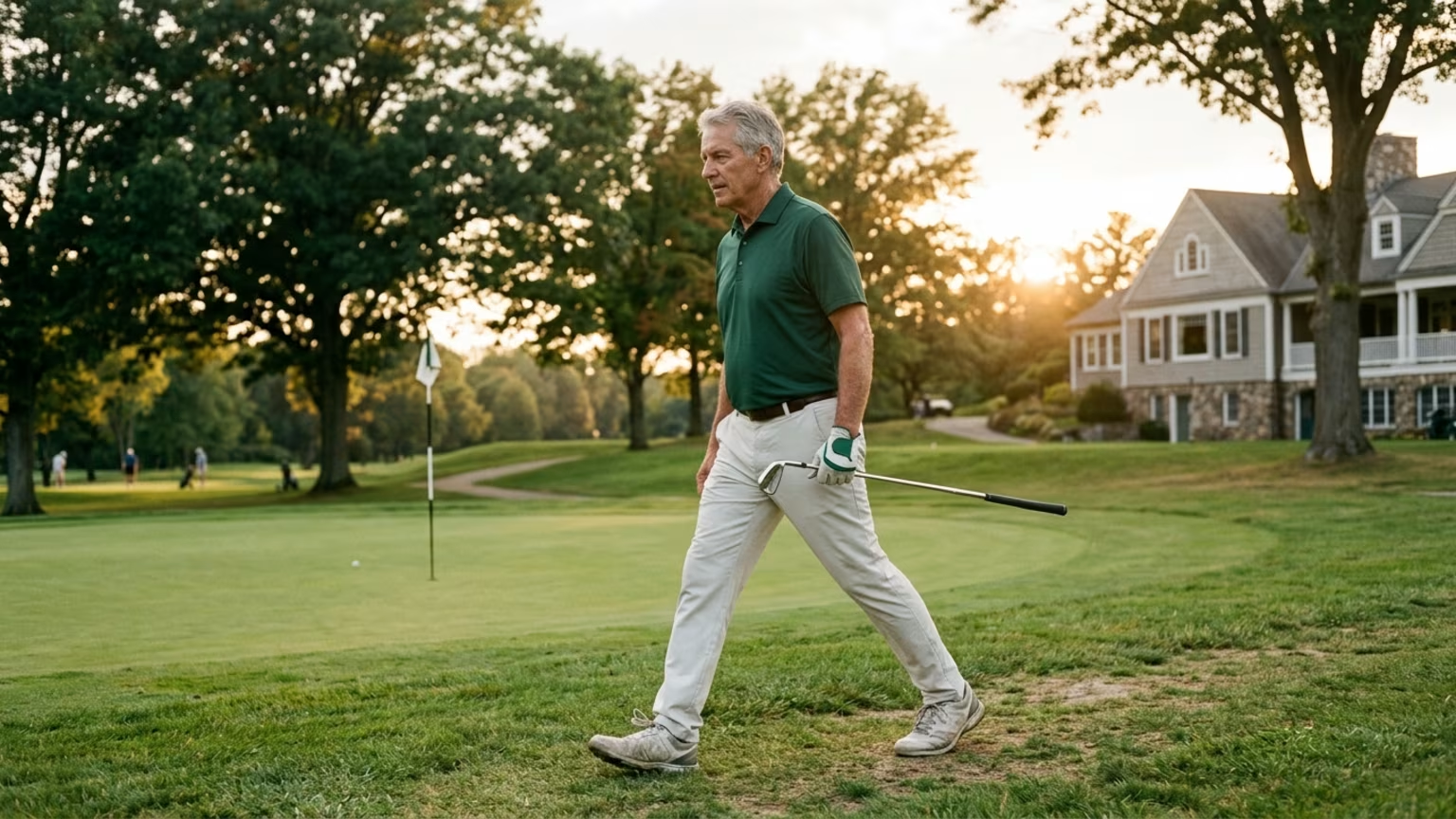

A recent GeroScience study links decades of aerobic activity to healthier ageing markers. Read how golfers over 40 can adjust their routines to avoid fatigue.




The saddest thing our team has seen in golf is watching lifelong playing partners slowly drop out of our weekend group. It usually starts with a nagging shoulder or knee issue they ignore until it requires surgery. However, we also see it begin with a steady loss of stamina that players write off as normal ageing. They start taking the riding buggy instead of walking, and soon they find themselves completely exhausted by the 14th hole. That pattern is exactly why Golfergy became obsessed with golf longevity. We do not have to stop playing as we age, provided we do the right maintenance work between rounds.
On September 21, 2026, a report in ScienceAlert covered a new GeroScience study that quantified exactly what happens to our physical reserves over time. Researchers at Université Côte d’Azur in France investigated how continuous aerobic physical activity influences older adults. They found a clear link between sustained exercise and healthier physiological markers. The findings offer a compelling framework for experienced recreational golfers who want to preserve their course endurance. We can learn a great deal from the active participants in this specific research group.
The GeroScience study examined 39 healthy adults from the Nice area. These participants averaged about 64 years of age. Researchers assessed them to create a composite vitality-capacity score from 12 distinct physiological measures. These indicators included blood markers, heart rhythm, lung function, and muscle strength. The researchers also measured energy, metabolism, and immune-response functions.
The most striking differences emerged in the immune and stress-response domains. When older adults maintain long-term physical conditioning, their physiological systems handle physical stress much more efficiently. The study reported that average blood-oxygen saturation was 96.8% among active participants. The inactive participants recorded a lower average of 94.8%. Better blood-oxygen saturation means your respiratory and cardiovascular systems deliver oxygen effectively during physical exertion. For a golfer, this translates directly to maintaining energy levels over a four-hour round. It prevents the late-round fatigue that often ruins a good scorecard.
When this physiological reserve begins to drop, the consequences on the course become obvious. A player might swing smoothly on the front nine but lose their form entirely by the 15th tee. This physical decline happens because the respiratory and cardiovascular systems can no longer support the muscular demands of the game. The heart and lungs must work much harder just to fuel a normal walking pace.
The researchers also noted significant differences in heart-rate variability. Active participants maintained an average heart-rate variability of 49.9 milliseconds. The inactive group averaged just 27.2 milliseconds. Higher heart-rate variability indicates a more resilient nervous system that recovers quickly from strain. In plain English, your body bounces back faster after each swing, long walk, or challenging physical moment on the course. A robust nervous system prevents tension from accumulating in your muscles over the course of 18 holes.
Golfers over 40 face a high risk of losing this physiological reserve because many treat fitness as a seasonal project. You might play heavily all summer and then stop structured movement entirely when the weather turns cold. The French study highlighted the power of continuous habits. Nineteen of the active participants had performed aerobic activity at least three times per week for approximately 30 years.
These lifelong-active individuals met a reported minimum of 2.5 hours of moderate activity weekly, or half that amount at vigorous intensity. They achieved higher overall vitality-capacity scores than the inactive group. When recreational players take three or four months off from aerobic work, their baseline endurance drops. This seasonal inconsistency chips away at the cardiovascular base required for walking the fairways without extreme fatigue. Your body simply forgets how to sustain prolonged physical effort.
Many players spend forty hours a week sitting at a desk, which drastically reduces their baseline movement. Transitioning from desk to tee without any foundational aerobic work puts immense strain on your cardiovascular system. Your body struggles to adapt to the sudden demand of a four-hour walk over hilly terrain. This sharp contrast between a sedentary work week and a physically demanding weekend round makes the older amateur much more susceptible to exhaustion.
Because the study was small and cross-sectional, it shows an association rather than proving that lifelong exercise directly caused the differences. It also focused strictly on healthy older adults, meaning the results cannot be generalised to everyone. The findings concern physiological reserve rather than literal age reversal. The narrow conclusion supports the idea that long-term physical activity builds a buffer against functional decline. If you want to maintain your energy for the back nine, you need consistent habits. This philosophy sits at the core of our approach to healthy ageing.
The most practical adjustment is to treat aerobic conditioning as a steady, year-round commitment. You should not wait until your course performance drops to start building stamina. Use your time on the course as a foundational layer of moderate activity. Walking the course provides excellent sustained movement for healthy individuals. If walking 18 holes is medically appropriate for you, choose the push cart over the riding buggy whenever possible. Focus entirely on maintaining a brisk, steady pace between your shots. Make this choice an automatic part of your routine to build up your baseline endurance over the season.
However, healthy-ageing guidance advises that you should not rely entirely on golf for your physical needs. Contemporary recommendations stress a combination of aerobic activity, resistance training, and balance work. You need to keep strength and balance work in your programme to support joint stability and fall prevention. Building a weekly healthy ageing routine that mixes walking with targeted resistance will protect your golf swing mechanics.
When winter arrives, replace your walking rounds with other steady activities. Brisk walking, cycling, swimming, or elliptical training can maintain your aerobic base until spring. If you are returning from a long period of inactivity, always build your volume gradually. Golfers with cardiovascular disease, major joint problems, or poor balance must seek professional medical guidance before starting vigorous training.
Monitoring how your body feels after playing through stiffness will tell you if your recovery capacity is keeping up. Using a simple five-minute morning daily maintenance protocol can also help you track your daily mobility. You should monitor your physical function by asking yourself if ordinary hills or stairs cause excessive fatigue.
We build physiological reserve through decades of small, consistent choices. A daily walk, a commitment to carrying your bag, and regular off-season cycling all accumulate into a more resilient body. The evidence suggests that continuous movement habits help protect the body's baseline vitality. The goal is to keep playing the game you love for as long as possible without getting bogged down by avoidable physical decline. What adjustments will you make to your weekly routine this season to steer clear of premature fatigue?
Follow Golfergy for practical insights on performance, mobility, recovery and healthy ageing. Stay connected for new articles, research-led guidance and ideas to help you play better for longer.


A BMJ study shows brisk walking helps older golfers maintain bone mineral density. Learn how two to three weekly hours of walking protects your playing longevity.

A 2026 analysis shows how a lifestyle intervention preserves mobility in older adults. Learn how experienced golfers can apply these lessons to their game.
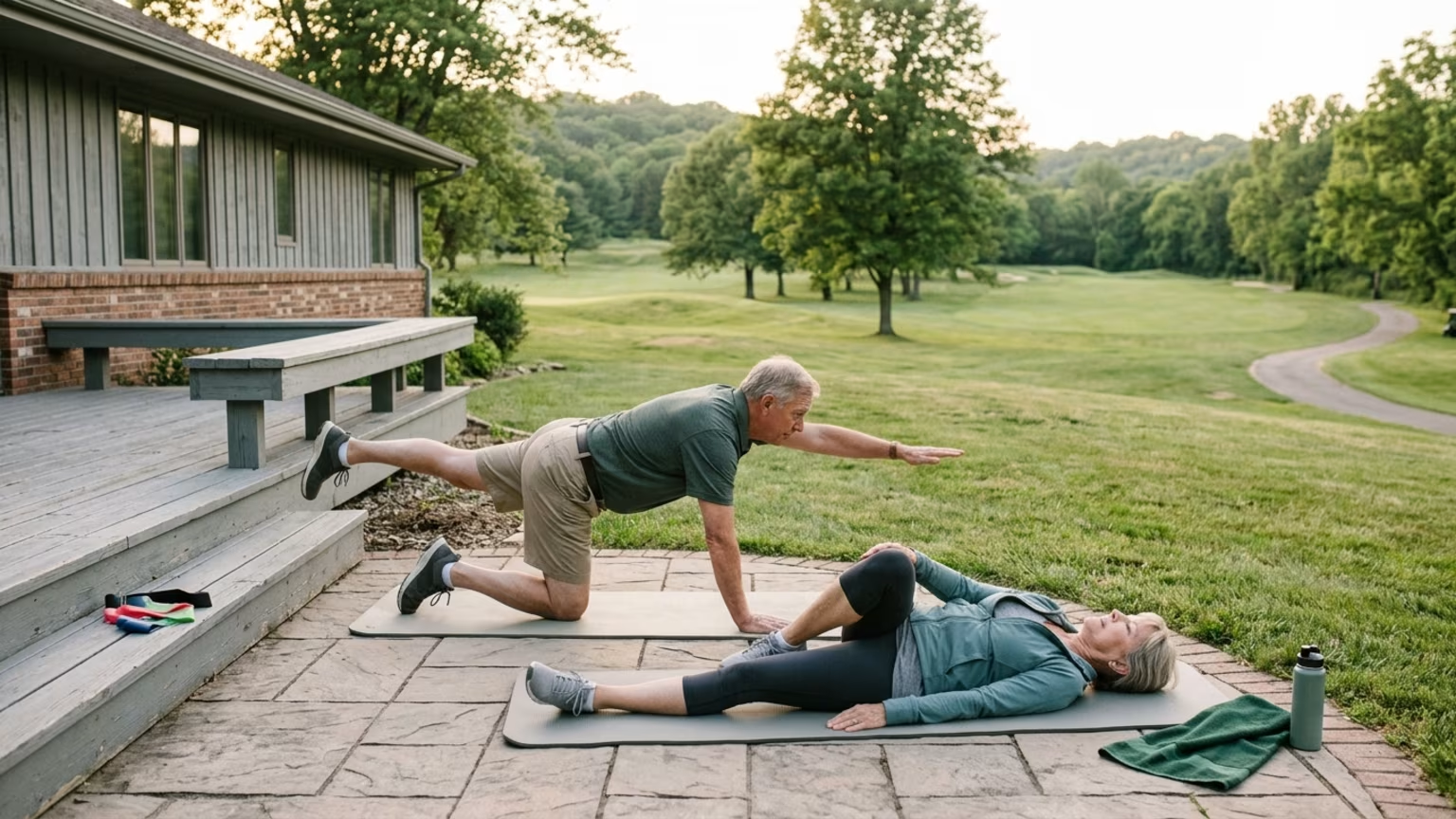
Learn how recreational golfers over 50 can use the glute bridge, cat-cow, and chair squat to maintain mobility and build lower back capacity between rounds.
Explore practical resources on performance, recovery, mobility and golf longevity.
Read the Blog