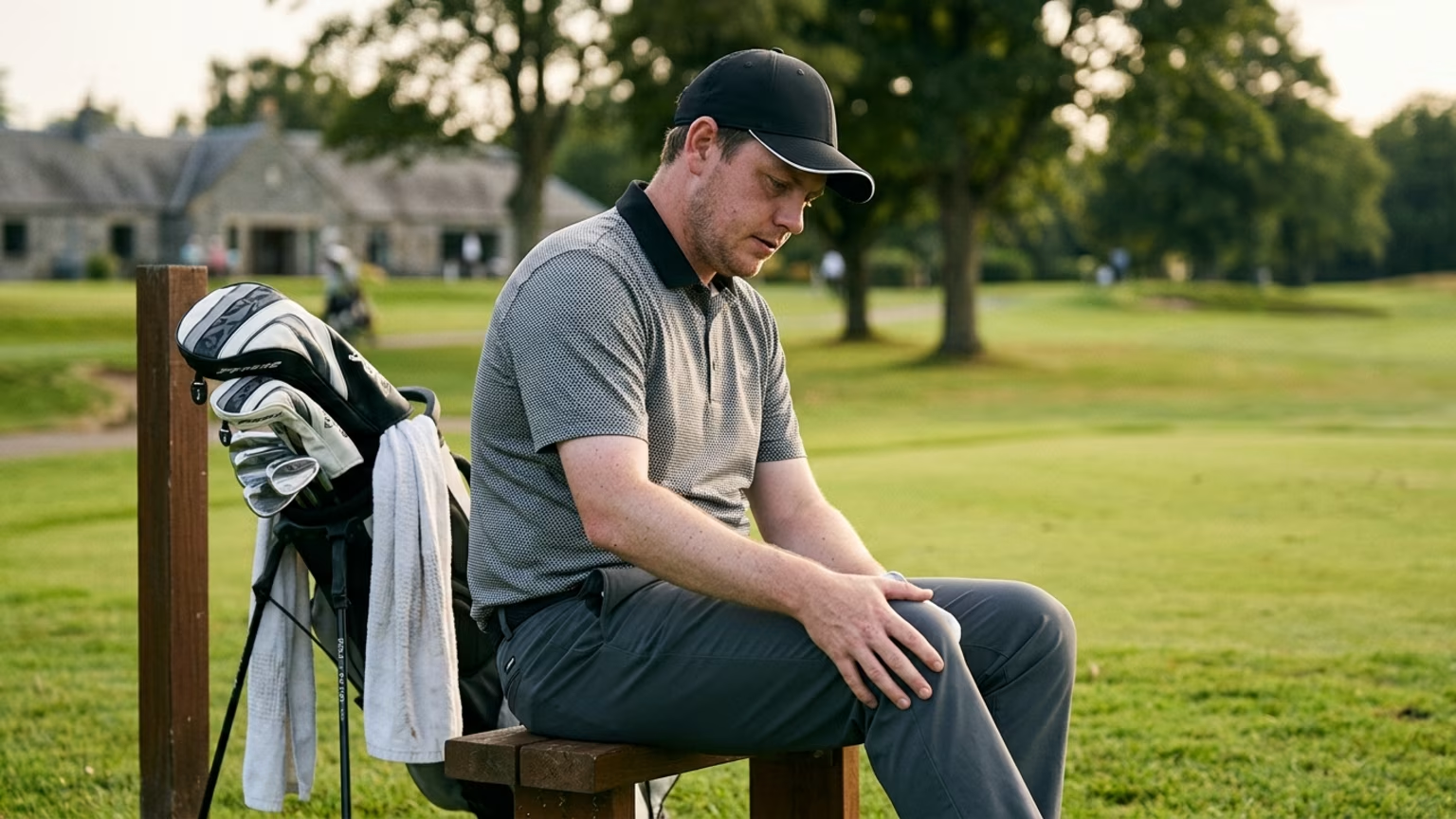

Robert MacIntyre’s painful Baker’s cyst reveals how repetitive putting squats cause joint strain. Learn how older golfers can protect their knees and play longer.




You just finished a grueling 18 holes in the summer heat, and now the back of your right knee is throbbing as you order a drink at the clubhouse. Professional golfer Robert MacIntyre knows this frustrating feeling all too well. He withdrew before the second round of the FedEx St. Jude Championship after an agonizing opening round. His opening 82 was reported as 12 over par, which contained three double bogeys and one triple bogey.
MacIntyre later identified the problem as a Baker’s cyst behind his right knee. The saddest thing I have seen in golf is watching lifelong playing partners slowly drop out of our weekend group. It usually starts with a nagging shoulder or knee issue they ignore until it requires surgery. That pattern is exactly why I became obsessed with golf longevity.
We do not have to stop playing as we age, provided we do the right maintenance work between rounds. According to coverage from Yardbarker, MacIntyre had been dealing with the issue since May 2026. The Scottish golfer said he had initially not understood what was causing the pain. He said squatting to read putts and extended practice sessions triggered serious pain.
This incident provides a clear lesson on managing joint health. After resting and receiving medical support, MacIntyre returned at the BMW Championship and finished tied for seventh at 10-under 270. That result moved him from 36th to 25th in the FedEx Cup standings and secured his place in the 30-player Tour Championship field. His journey shows the value of taking knee pain seriously.
When mature golfers experience pain behind the knee, they typically find themselves choosing between two options. Option A is the traditional path of pushing through the pain while keeping the exact same putting routine. Option B requires stepping back to evaluate movement habits, modifying practice routines, and adjusting on-course posture.
Golfers often drift toward Option A because changing a lifelong green-reading routine feels incredibly frustrating. However, recognizing the early warning signs of joint fatigue can prevent weeks of forced rest. MacIntyre explained that he struggled to rise from a squatting position and twist on his knee. Repeating that exact motion for every putt compounds the strain on an irritated joint over a full round.
Choosing between these paths defines how long a player can comfortably stay in the game. Ignoring a joint problem rarely makes it disappear without proactive management. Option A treats the symptom temporarily, while Option B addresses the structural stress placed on the body. Let us review the real costs of ignoring the pain versus taking a proactive approach.
Option A relies on sheer willpower and minimal changes to your game. The primary benefit is that you do not have to alter your beloved putting stance or skip any scheduled weekend rounds. Some players simply force their way through the stiffness and hope the joint heals itself. This approach feels tough in the moment.
The drawbacks of this approach for older joints are severe and cumulative. MacIntyre described the pain as feeling like someone was stabbing him in the bottom of the hamstring. He credited the PGA Tour medical truck with helping him feel capable of competing. Most recreational golfers do not have a professional medical truck waiting near the clubhouse parking lot.
Relying on grit can also drain your mental energy during a long tournament. Coverage says MacIntyre used rest, strength conditioning, and a personal psychological routine while managing the problem. His caddie Mike Burrows suggested a manifestation approach, and MacIntyre watched positive sports films. Amateurs who just push through without this immense level of support usually end up miserable on the back nine.
Every round of golf requires multiple putts, which translates to numerous deep knee bends. Forcing a damaged joint through this repetitive cycle increases inflammation. The pain rarely stays confined to the putting green. Eventually, the discomfort bleeds into the full swing and ruins your timing.
Option B focuses on managing the specific movements that trigger joint pain on the golf course. This path requires reducing deep knee flexion, auditing practice time, and finding new ways to read greens. MacIntyre noted that his pain flared up significantly during extended practice sessions. Managing your practice volume is a fundamental part of reliable injury prevention for mature players.
The main benefit of this option is extending your playing years by protecting vulnerable tissue. You give your joints a proper chance to calm down without quitting the game entirely. MacIntyre attempted to manage his issue through strength conditioning and adequate rest away from the course. A structured recovery plan helps maintain mobility for the next tee time.
The drawback of Option B is that it requires patience and a willingness to feel awkward. You might have to start reading putts from a standing position. Changing how you evaluate breaks on the green takes time and practice. When trying a new stance, focus entirely on turning your trail hip instead of dropping your hips into a deep crouch.
Adopting new habits requires leaving your ego at the door. You might need to skip a few practice sessions to let the knee settle. This proactive path often requires consulting a medical professional to confirm the underlying issue. A proper assessment confirms you are modifying the correct movements safely.
When comparing the two approaches, we must ask which one helps you play better for longer. Option A might get you through one weekend tournament, but it invites chronic damage. The repetitive lowering and rising required in a standard putting routine can rapidly agitate a sensitive area. Willpower alone cannot heal a swollen joint.
Option B clearly wins for recreational golfers who prioritize longevity over temporary convenience. The Golfergy team believes that monitoring total workload is the best defense against joint wear. Running a practical recovery readiness check before every round keeps small irritations from becoming severe problems. Taking control of your posture and practice volume pays massive dividends.
MacIntyre utilized professional assistance to manage his pain, but amateur players must manage their own workload safely. Tracking your practice duration and noticing next-day symptoms can reveal hidden stress. A minor adjustment to how you bend on the putting surface can literally save your knees. Smart players adapt their routines to protect their bodies.
Accepting that your body needs modified practice schedules is a sign of golfing maturity. You do not have to hit balls for hours to improve your game. Shorter, focused sessions protect your joints while keeping your skills sharp. This balanced approach is the secret to lifelong golf.
Choose temporary rest and stance modification for acute knee flare-ups, and choose consistent workload management for long-term swing health.
Follow Golfergy for practical insights on performance, mobility, recovery and healthy ageing. Stay connected for new articles, research-led guidance and ideas to help you play better for longer.


Review elbow and wrist pain patterns in golf through symptom notes, practice changes, ground contact and grip condition, without assuming a quick fix.


Tiger Woods’ 2017 Dubai withdrawal offers a measured lesson for golfers over 40, with NHS guidance on when back pain needs medical attention.

Understand a stiffer golf turn, notice changes without self-diagnosis and learn when comfortable movement or individualized advice may help.
Explore practical resources on performance, recovery, mobility and golf longevity.
Read the Blog


